Choosing a school has become about far more than academic results. Parents today are looking for an environment where their children will be challenged, supported and inspired to think independently, collaborate confidently and develop the skills needed to succeed in a rapidly changing world.
That is why independent recognition, such as accreditation by the National Association for Able Children in Education (NACE), carries real significance. It offers reassurance that a school's educational philosophy is not only clearly defined but also consistently embedded in everyday practice.
As Chiswick House School and St Martin's College (CHSMC) celebrates its 120th anniversary, its longstanding relationship with NACE reflects a philosophy that has shaped the school for generations. CHSMC was the first school outside the United Kingdom to achieve NACE accreditation and has since successfully maintained this distinction through multiple reaccreditations, placing it among a select group of schools internationally recognised for their commitment to educational excellence and learner development.
For CHSMC, however, the accreditation has never been the destination. Instead, it is an external validation of an educational approach that has underpinned the school for over a century. The values championed by NACE closely mirror those that have always guided CHSMC: recognising individual potential, fostering inclusion, encouraging intellectual curiosity and ensuring that every learner has the opportunity to thrive. These principles are reflected in the school's 8Cs – Communication, Collaboration, Creativity, Commitment, Compassion, Confidence, Critical Thinking and Contribution – which continue to shape the learning journey of every child.
Central to both CHSMC and NACE is a shared belief that education should not simply reward those who already know the right answers. Instead, it should cultivate curiosity, encourage learners to ask thoughtful questions, explore different perspectives and develop the confidence to think for themselves.
Walk into a CHSMC classroom, and this philosophy quickly becomes evident. Learning begins with enquiry rather than assumption. Lessons are built around discussion, collaboration and exploration, with educators acting as facilitators who guide learners through increasingly complex ideas. Rather than simply acquiring knowledge, learners are encouraged to take ownership of their learning, challenge their own thinking and engage meaningfully with the perspectives of others. The result is an environment where intellectual curiosity becomes a habit rather than an occasional exercise.
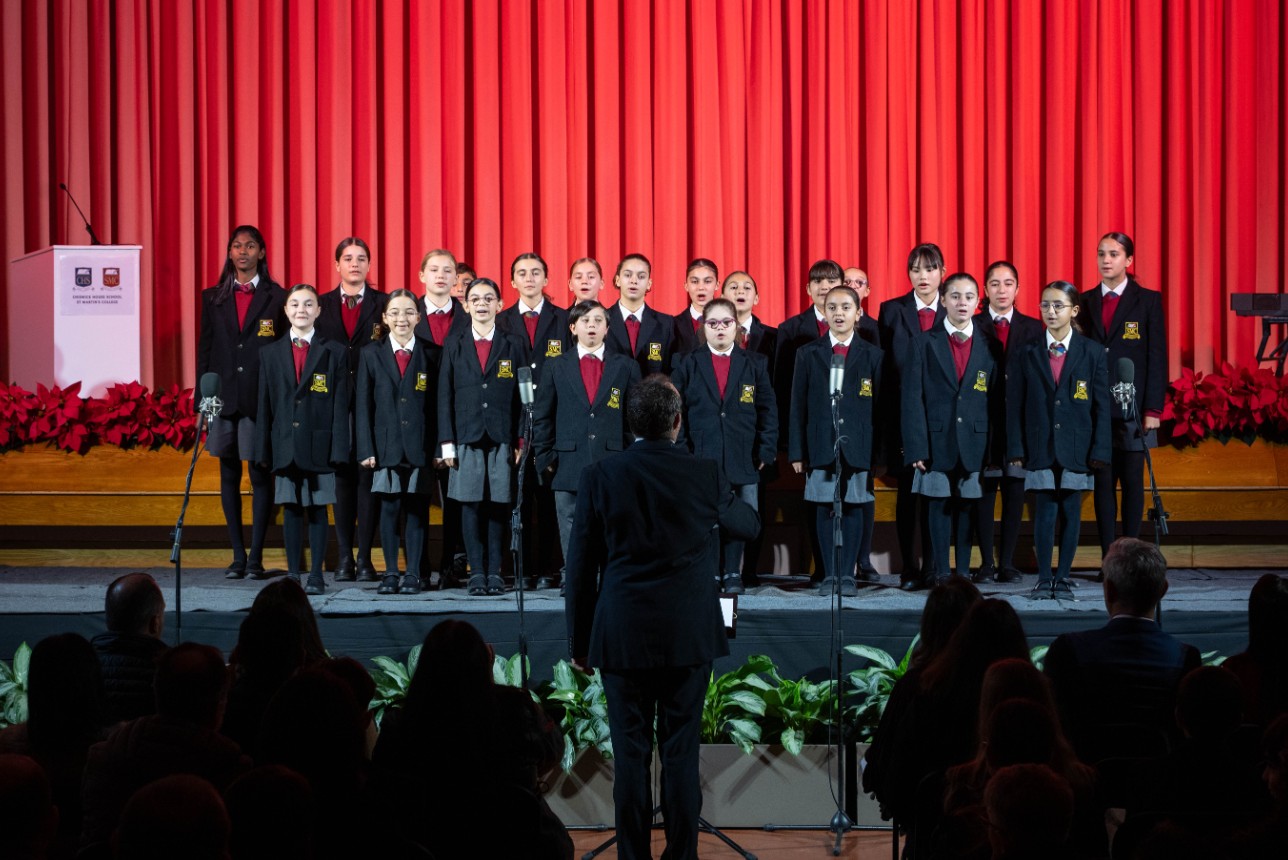
This philosophy extends across every stage of the learner journey. Creative pedagogical approaches such as Creative Cogs nurture imagination and curiosity from the earliest years, while project-based learning enables learners to investigate authentic challenges that connect classroom learning with the wider world. Throughout, the emphasis remains on depth rather than speed, encouraging learners to explore concepts more fully instead of simply moving on once the correct answer has been found.
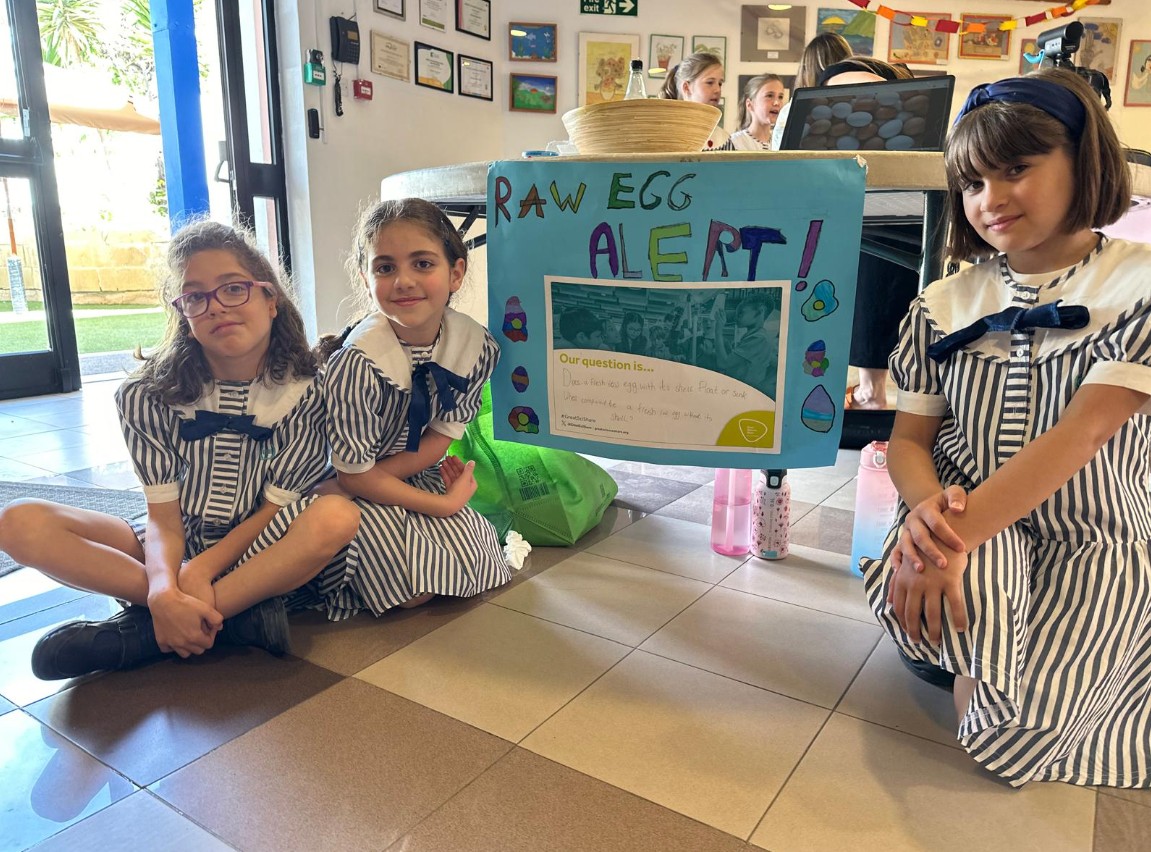
A recent example of this philosophy in action can be seen in the school's pupil-led scientific enquiry initiative. While learners were already achieving strong academic outcomes, CHSMC deliberately chose to move beyond knowledge acquisition towards developing higher-order thinking, intellectual ownership and resilience. Rather than accelerating through curriculum content, learners were encouraged to undertake deeper scientific enquiry, embrace complexity and investigate questions beyond age-related expectations. The initiative has strengthened independence, leadership and critical reasoning, particularly among more able learners, while enriching the learning experience for all.
The impact of this work has extended well beyond the classroom. CHSMC was the only school representing Malta at the internationally organised Great Science Show, where it showcased its learner-led enquiry on a global platform. It is a practical example of how international accreditation can translate into meaningful opportunities that empower learners to apply their knowledge with confidence in real-world settings.
The same commitment to preparing learners for the future is now shaping the school's approach to Artificial Intelligence. Rather than viewing AI simply as another digital tool, CHSMC is developing AI literacy across its community of educators and learners alike. The focus is on using AI responsibly to enhance research, creativity, problem-solving and independent thinking, while ensuring learners understand not only how to use emerging technologies, but also how to question, evaluate and apply them ethically.
This continuous evolution is supported by a culture of professional learning. Educators regularly engage with international research, collaborate with educational partners and refine their practice to ensure learning experiences remain innovative, relevant and responsive to the changing world around them.
As CHSMC celebrates 120 years of educational excellence, its work with NACE serves as a reminder that outstanding education is not measured solely by academic attainment. It is measured by a school's ability to inspire curiosity, nurture confidence and unlock potential in every learner.
In a world where many schools focus on meeting educational needs, CHSMC seeks to go one step further by creating enriching learning experiences that encourage every learner to explore, discover and develop a lifelong love of learning. The school's NACE accreditation is not simply recognition of what has been achieved, but affirmation of an educational philosophy that continues to evolve while remaining true to the values that have defined CHSMC for 120 years.
To learn more about Chiswick House School and St Martin's College, visit https://chs.edu.mt/.
Main Image: