A man’s initial attempt to open a toastie food truck in Malta with his girlfriend spiralled into an ordeal that resulted in him losing over €20,000.
Oto Horáček now wants to use his own experience as a practical guide and warning to anyone thinking about starting a similar business.
Mr Horáček told WhosWho.mt that he imported the customised vehicle and equipment from China for around €32,000, including shipment fees, since it was a much more affordable option than procuring it locally.
He said he sought guidance from Malta Customs in advance on the necessary European compliance certifications and was assured by the Chinese company that the vehicle and equipment were fully compliant.
Mr Horáček ordered the vehicle at the end of November 2024, it was completed by March 2025 and it arrived in Malta in mid-June.
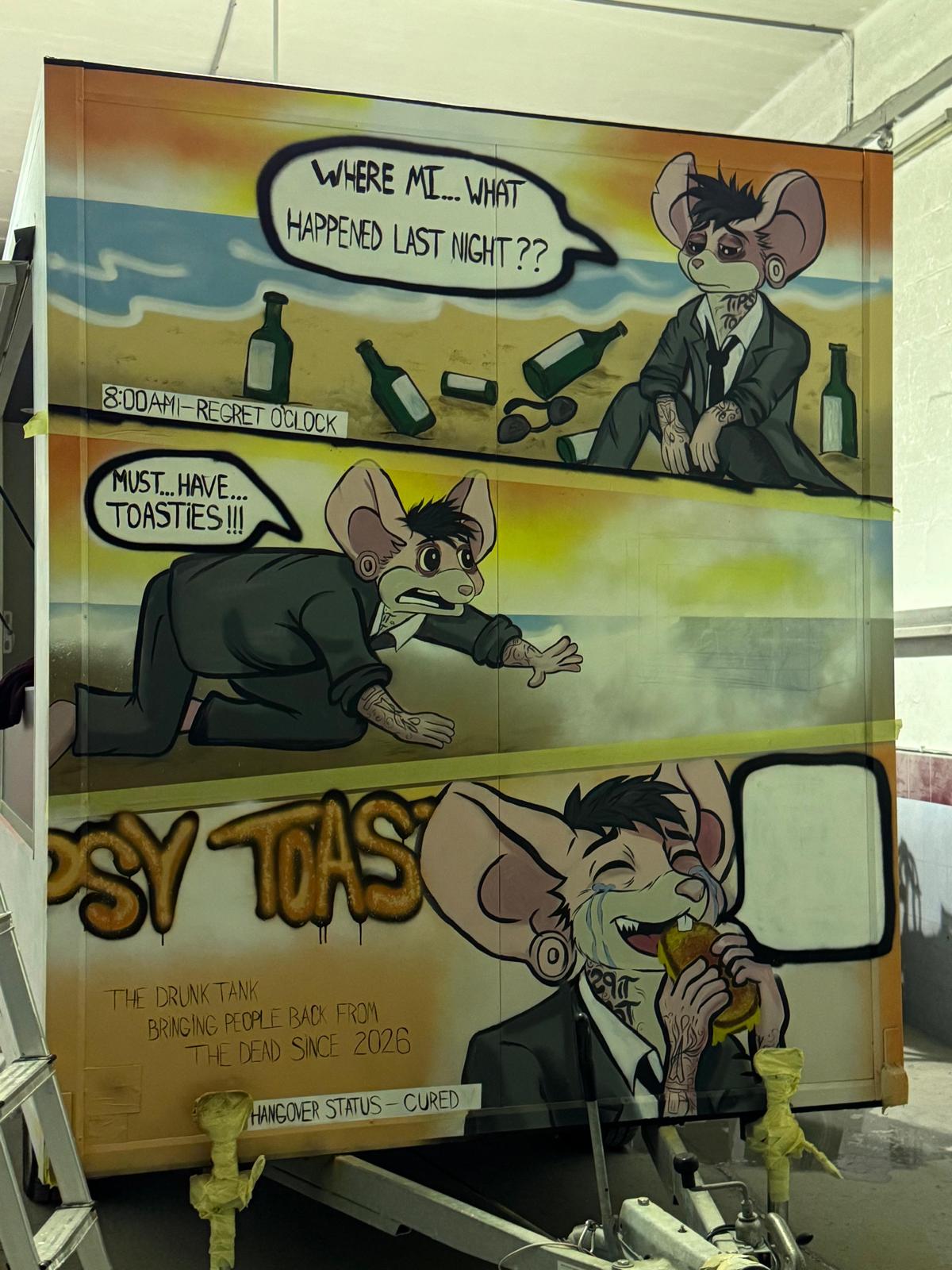
The Tipsy Toastie food truck concept
However, he said that Customs immediately informed him that there was a problem with the Certificate of Conformity (COC), since it was certified as a food trailer rather than a food truck. The main difference between the two is that while a food truck is a functioning vehicle that can be driven from A to B, a food trailer is static.
“It was a beautiful food truck but the company did a bad job with the COC and this one piece of paper destroyed everything,” he said.
Moreover, he said there was an issue with the bill of lading since the boxes of equipment weren’t all declared.
“It was just equipment for the food truck, nothing illegal, but I was still investigated for smuggling, the police had to get involved, and I had to pay lawyers to sort it out.”
Although the equipment - including fryers, ovens, fridges, grilles, griddles and ice machines - was adequately certified, he had to destroy it all since it wasn't declared on the bill of lading. And he ended up scrapping the vehicle itself too.
“The authorities gave the Chinese company a chance to update the paperwork, clarifying it was a food truck and not a food trailer, but when I reached out to them, they were completely silent.”
“As I waited for a response, I had to pay a daily fee for the truck not to get destroyed, and this ended up amounting to around €6,000. The company finally got back to me in mid-September but it was too late by then.”
With fees piling up and no end in sight, Mr Horáček had decided to scrap the vehicle and start from scratch.
“Customs informed me that it was my responsibility to destroy the food truck and equipment, so I had to take it to a scrapyard and pay a further €3,000 to destroy it. It was a sad day,” he said.
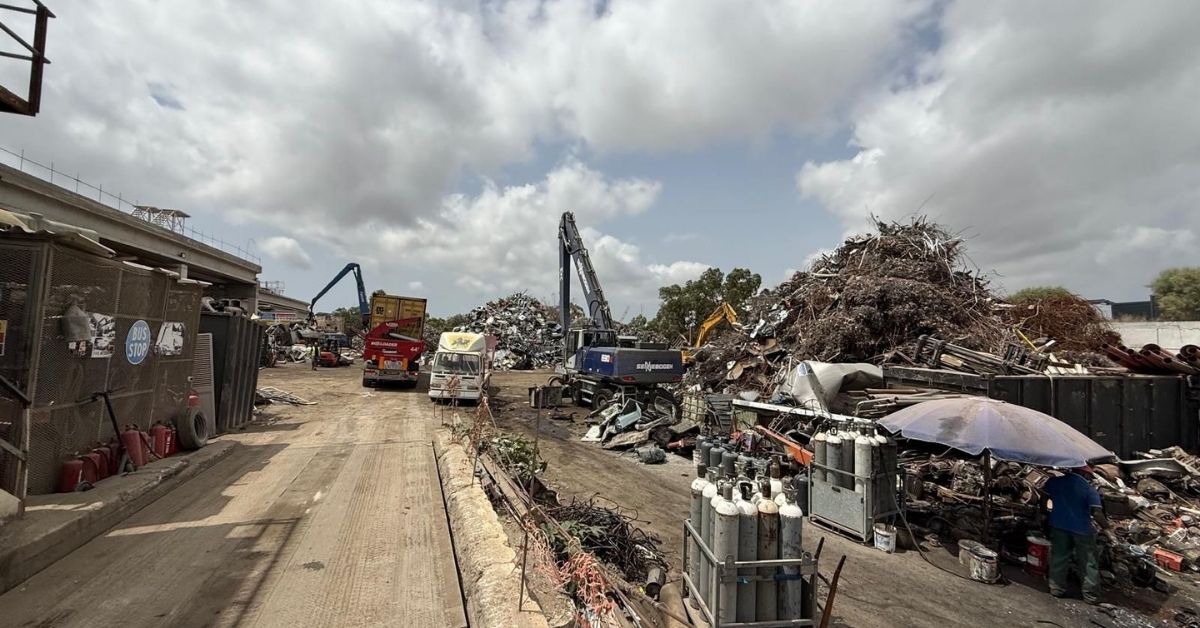
Mr Horáček had to pay to scrap his functioning food truck
Despite this major setback, Mr Horáček didn’t give up on his dream of launching a toastie food truck.
He purchased a second truck, this time from Malta, and is currently in the process of painting it and turning into a food truck.
With the help of his lawyers, he managed to secure a refund from the Chinese company for the first food truck but the customs, legal and destruction fees still left him some €20,000 out of pocket.
Mr Horáček wants to use his bitter experience as a lesson to people thinking of importing a food truck.
“Compliance with EU law is crucial and it’s very important to have a contract in place to clarify the seller’s responsibilities. I personally wouldn’t import a food truck from China again, but if you want to go down that route, you should pay a lawyer to ensure the company is liable for any extra fees that arise from the shipment.”
“It’s not just the truck itself; all the imported equipment must be compliant with EU law. It was fine in my case but it’s an important step, because it the equipment isn’t complaint, it will be destroyed.”
Things are now looking up for Mr Horáček and his girlfriend, and they plan to launch the food truck - Tipsy Toastie - in the coming weeks.
Besides elevated toasties, Tipsy Toastie will also sell sealed burgers, a concept where the bun’s edges are closed off to encase the fillings inside and lock in the juices.
Mr Horáček has 20 years of experience in the catering industry, including in the Czech Republic, London and Luxembourg, but this will be his first venture into the food truck space.
“I think it’s a safer and better option than opening a restaurant right now and more and more people are seeking out food trucks,” he said.
“Dining dynamics have changed since Covid and food trucks are becoming more and more essential. They’re cheaper, less risky, and they allow you to play around a bit more.”
Main Image:Main image: Oto Horáček and his girlfriend