Malta must attract visitors who appreciate what the country has to offer, while ensuring that residents continue to enjoy a high quality of life, Tourism Minister Jo-Etienne Abela said on Friday.
He addressed the Malta Hospitality Forum, organised by the Malta Hotels and Restaurants Association.
While saying that tourism is one of Malta’s greatest success stories, he said that the country’s ambition is no longer measured simply by how many visitors it welcomes.
“It is measured by the quality of the experience we provide. It is measured by the quality of the experience we provide, by the value tourism creates for our economy, and by the positive impact it has on our communities and our environment,” he said.
“The future of Maltese tourism depends on getting this balance right.”
The sector must continue to grow, he explained. “But we must grow wisely.”
Quality and quantity must complement each other, not compete with each other, he said.
He stressed that tourism cannot be viewed as the responsibility of one ministry alone, highlighting that it touches every aspect of national life. It depends on modern infrastructure that allows people to move efficiently, it depends on clean streets, beautiful public spaces and a protected environment, he said.
“It depends on our rich cultural heritage, our hospitality, our education system, our security services and our healthcare. Every ministry, every public entity and every stakeholder has a role to play in delivering the experience visitors expect when they choose Malta.” He went on to say that this why collaboration is not optional, but is essential.
Success will depend on the ability to coordinate efforts and focus on long-term outcomes, rather than short-term gains, the minister said.
Their responsibility, he said, is to ensure that the success of today does not become tomorrow’s challenge. “We must protect what makes Malta unique, while continuously improving the visitor experience and strengthening the industry’s competitiveness.”
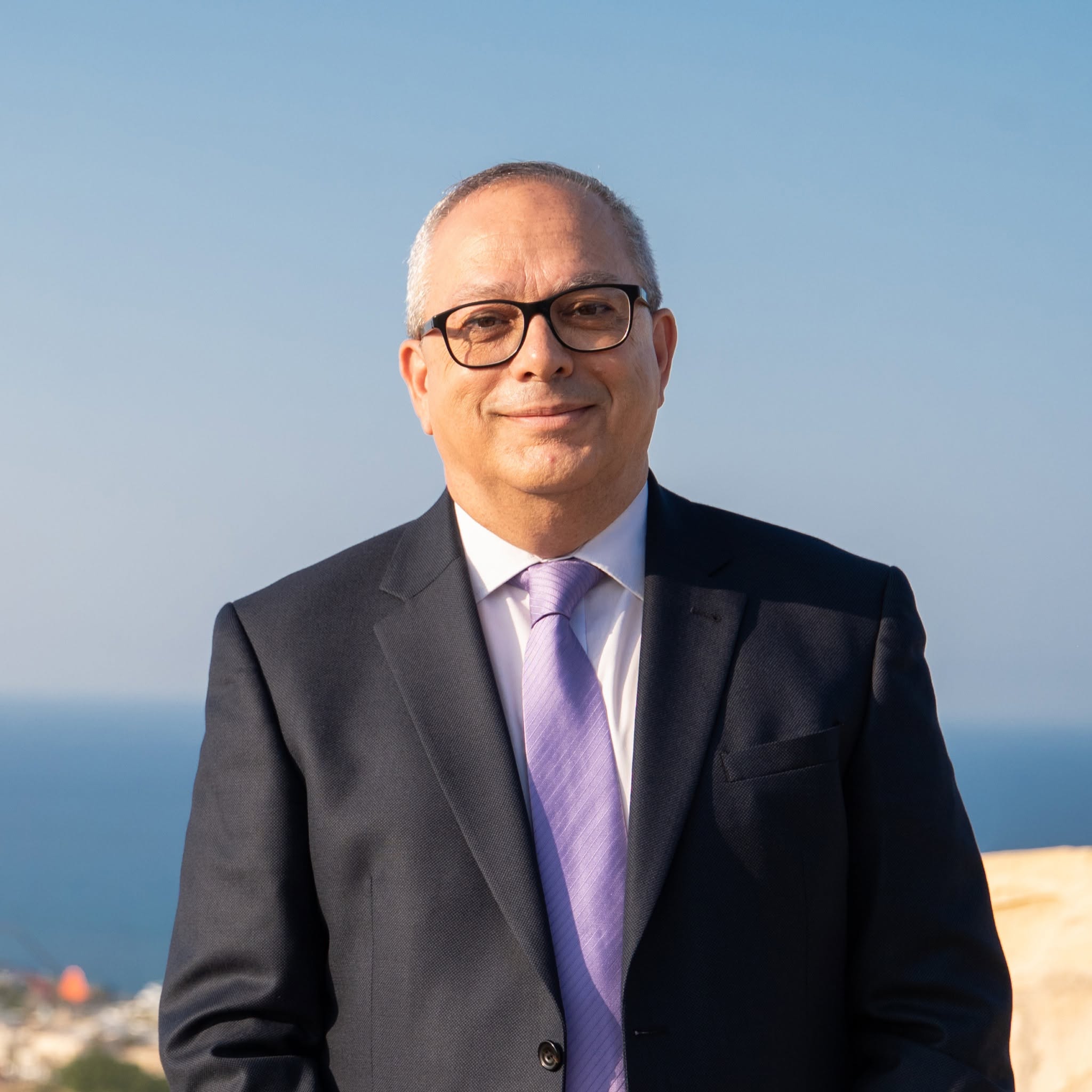
PN Deputy Leader and Shadow Tourism Minister Alex Perici Calascione also addressed the forum.
He too spoke about the shift in the sector. He said that for years the country measured success by the number of tourists, but said that recent years showed that growth without adequate planning carries significant costs. “Overcrowded spaces, pressure on infrastructure, growing frustration among residence, waste generation have all become part of the national conversation. The challenge is how to foster a tourism industry that is economically successful environmentally sustainable, socially responsible and capable of improving the quality of life.”
He spoke of repositioning the tourism product towards higher quality rather than quantity, and said that the MHRA itself had said that chasing ever higher numbers risks undermining the product that attracts tourists. Tourism must be sustainable, he said.
The PN MP said that overtourism occurs when visitor numbers overtake carrying capacity of a destination, creating unacceptable impacts on residents, heritage sites and the tourist experience.
“He said that other countries, like in Barcelona in Spain and Venice in Italy, saw protests. Residents increasingly question if tourism is serving its communities or overwhelming them. Malta is not immune to these concerns,” he said.
In summer peak months, many residents feel their daily quality of life deteriorates, he said, noting beaches becoming overcrowded, road congestion and waste volume increases.
“This is why the debate is shifting from quantity to value. Quality tourism is not about excluding visitors, but its about attracting those who can stay longer, explore more widely, appreciate local culture, respect the environment and contribute more substantially to the economy.”
Any shift is to be well planned and carefully executed, he stressed.
He also said that one cannot promote unique attractions of historical sites on one hand, then issue indiscriminate development permits right next to them with the other.
Dr Perici Calascione said that if towns become cleaner, greener and safer and more accessible for residents, they naturally become more attractive for visitors. “Tourism should not be viewed in isolation. It interacts with environmental policy, transport, planning, housing policy, labour markets and cultural preservation. This requires long term planning beyond electoral cycles.”
Main Image: