The Order of St John will continue to provide assistance to the populations of Lebanon and Gaza despite the “extremely volatile and dangerous environment”, says Prince Augusto Ruffo di Calabria.
The Order’s Ambassador to Malta explains that its team uses mobile medical units and mobile kitchens to deliver healthcare and food to war-torn areas suffering from “multiple, overlapping crises.”
Speaking to WhosWho.mt about the Middle East conflict that has claimed the lives of around 2,300 people and displaced more than 1.2 million in Lebanon in the last 52 days, the Ambassador notes that the Order is not immune from its impacts.
“While we take all possible precautions, the nature of the conflict inevitably exposes both our staff and our operations to potential harm,” he says, pointing to the death of Chadi Ammar – “a young and dedicated member of our humanitarian network” – as a loss that has “deeply affected the entire Order of Malta.”
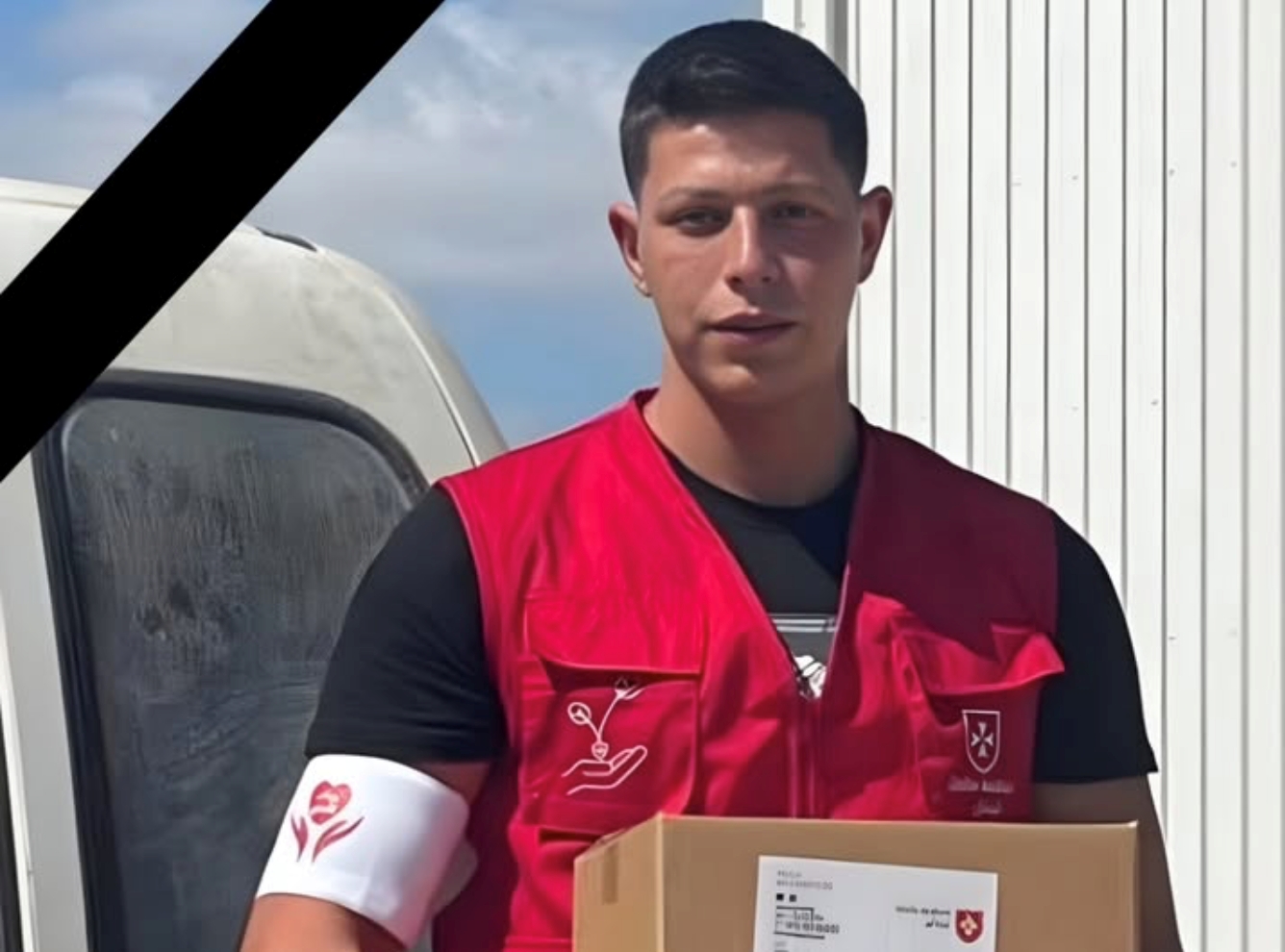
Chadi Ammar, a staff member of the Order of Malta killed by an Israeli drone strike
Mr Ammar, in his early twenties, was trying to repair the internet connection in Aïn Ebel when he was hit by an Israeli drone strike in early March.
At the time, Fra’ John Dunlap, Grand Master of the Order of Malta, praised Mr Ammar’s “commitment and spirit of service” and described him as “part of our great family, who serve the most vulnerable with dedication and courage every day.”
Aïn Ebel is a predominantly Catholic village in the south of Lebanon, close to the border with Israel. Its residents have reportedly been reluctant to evacuate, saying they are not involved in the war between Israel and Hezbollah.
Prince Ruffo di Calabria says the Order has not yet reported other fatalities among its personnel, although they continue to work under significant risk, “particularly in areas affected by airstrikes and mass displacement.”
He adds that despite the challenges, “we remain committed to maintaining our presence on the ground and ensuring continuity of care for the most vulnerable populations.”
‘Enormous pressure on already fragile systems’
The Order of Malta has been active in Lebanon for over 60 years, running 12 primary healthcare centres, 12 mobile medical units, 7 agro-humanitarian centres, 3 mobile community kitchens and several social programmes, as well as facilities dedicated to persons with disabilities.
The Prince, who has served as the Order’s Ambassador to Malta since 2017, says the current escalation “comes on top of a prolonged economic collapse, the aftermath of the Beirut port explosion, the COVID-19 pandemic, and the long-standing presence of large refugee populations.”
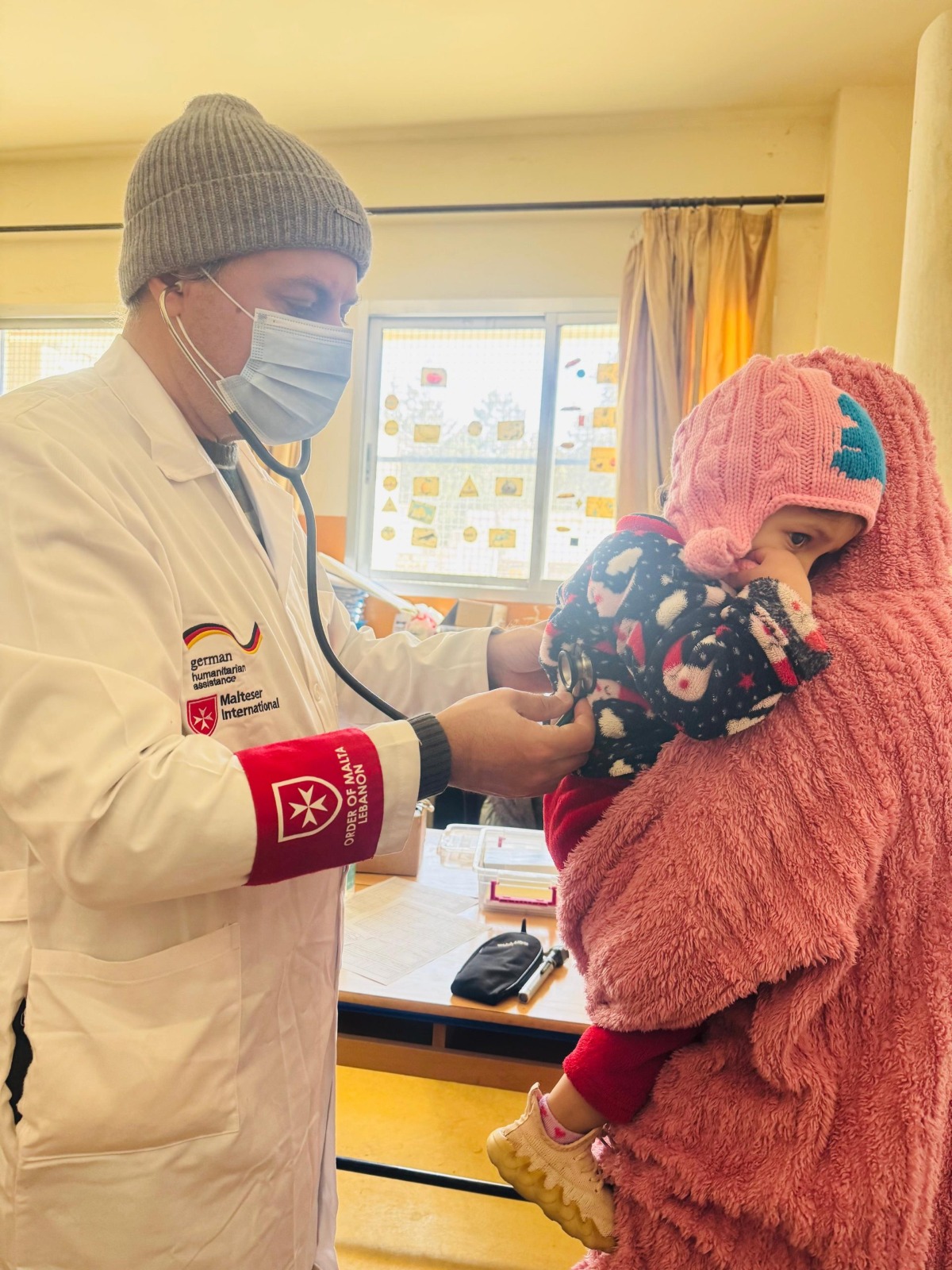
Healthcare workers with the Order of Malta in Lebanon continue to provide essential services / Order of Malta
The critical situation in Lebanon has left a substantial portion of the population in poverty, and the recent hostilities have displaced hundreds of thousands of people, “placing enormous pressure on already fragile systems.”
The Order of Malta has been mobilising international support for Lebanon through its entities worldwide, continues Prince Ruffo di Calabria, while its long-established presence in the country – through the Lebanese Association – is delivering large-scale assistance, including healthcare services, pharmaceuticals, meals and essential relief items to those affected by the crisis.
Other National Associations – including the Maltese Association – channel financial and logistical contributions, as well as expertise, through the Order’s coordinated structures.
“This integrated approach is essential,” says the Ambassador. “It allows the Order not only to scale up emergency interventions rapidly, but also to ensure that support is delivered effectively through the extensive humanitarian infrastructure built over decades in the region.”
‘Multiple, overlapping crises’
The Order of Malta is also active in other countries in the Middle East, notably those – like Syria, Iraq and Palestine – that have suffered major conflicts that undermined state capacity and left millions of people in need of basic services.
Shedding light on the Order’s work in Gaza, where over 75,000 people have been killed in what an inquiry by the UN Human Rights Council has defined as a genocide, Prince Ruffo di Calabria explains that “restricted access for humanitarian aid, damaged infrastructure, and severe limitations in healthcare capacity create additional operational challenges.”
The Order operates the Mar Youssef clinic in Gaza City, and intend to open a second clinic in Deir al-Balah to offer basic health services to both the local population and internally displaced persons in areas close to the Khan Younis area.
However, the Ambassador notes that facilities “are often overwhelmed, and ensuring the delivery of basic medical supplies and services requires constant coordination and adaptation.”
In mid-2024, Malteser International, the Order's aid agency, launched a humanitarian mission to the area, delivering over 200 tons of food by the time a shaky ceasefire was announced in Octboer 2025, spearheaded by Dr Thomas Weiss.
To respond effectively to the humanitarian crises, the Order of Malta, says the Prince, “relies on flexible and field-based solutions such as mobile medical units, distribution of food and hygiene kits, psychosocial support, and mobile kitchens for hot meals.”
Meanwhile, strong local partnerships and long-established networks “are essential to maintaining access and continuity in highly constrained environments.”
Despite the challenges of operating in the “uniquely complex humanitarian environment of the Middle East, where multiple, overlapping crises significantly amplify needs and constrain response efforts,” the Order of St John’s Ambassador to Malta says the Order will continue its efforts through its coordinated network of national associations, relief agencies and partners, “all contributing to a common humanitarian effort.”
Main Image:The Order of Malta's Ambassador to Malta Prince Augusto Ruffo di Calabria