Malta International Airport was recently once again recognised as one of the ‘Best Airports’ in Europe within the five to 15 million passenger category, marking its eighth consecutive win. On top of that, the airport secured the ‘Cleanest Airport’ award for the first time. Both accolades, awarded by Airports Council International through its globally respected Airport Service Quality programme, are based entirely on passenger feedback gathered in real time during 2025.
Behind these results is an army of motivated and specially trained individuals that jell together into one seamless team, dedicated to give passengers and visitors a unique, and flawless experience, when visiting Malta International Airport.
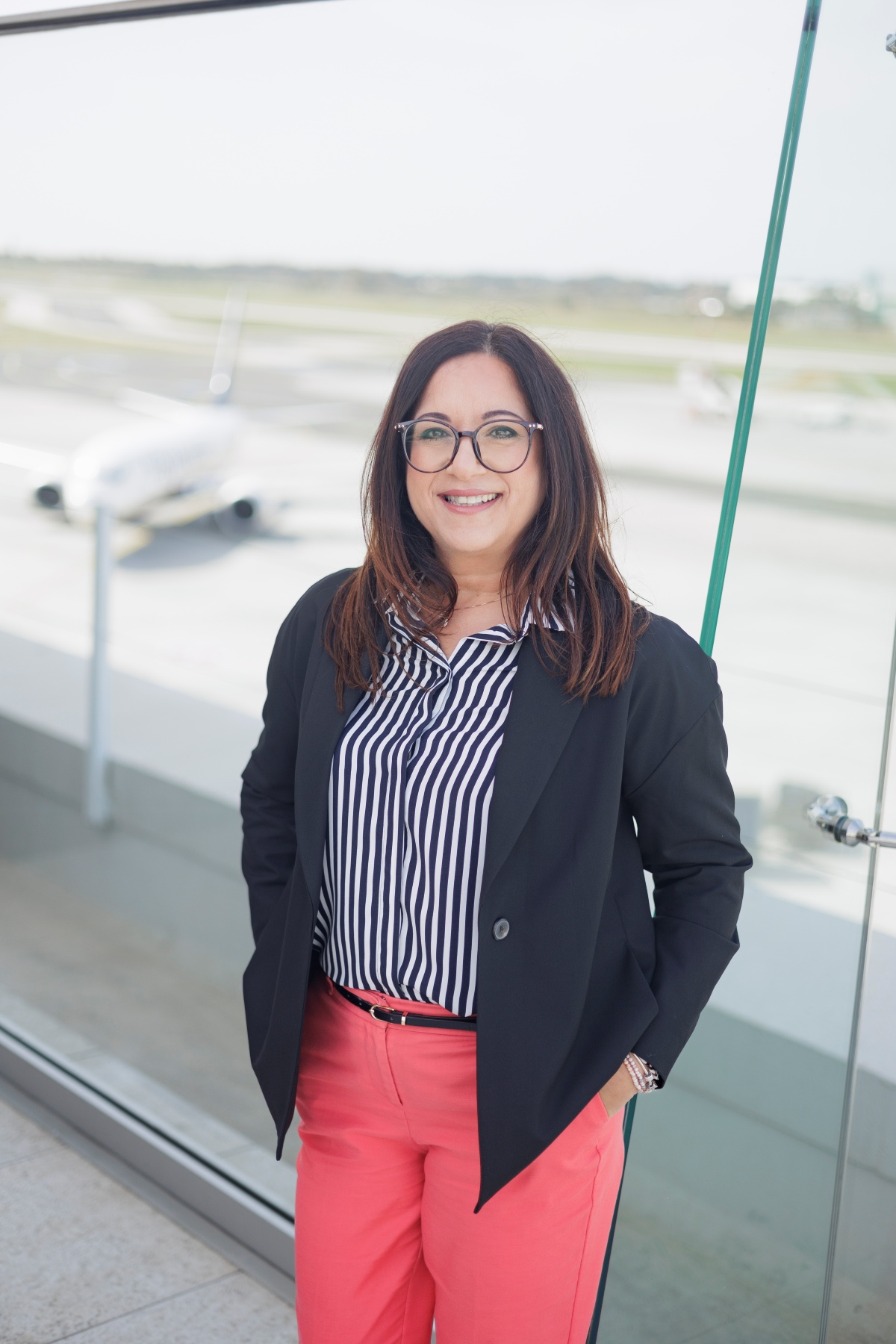
Jeanette Zammit, Customer Experience Senior Executive
For Jeanette Zammit, Customer Experience Senior Executive, her professional journey has been just as long as the airport’s own. Having been part of Malta International Airport since its early days in 1992, she has seen the organisation grow and reach new heights across the decades. In her current role for over a decade, she leads the feedback collection effort through the ASQ programme and internal focus groups, while also overseeing stakeholder training in service excellence.
“The ASQ programme has been a cornerstone for the airport since 2005, offering a benchmarking platform against similar airports across Europe. It allows Malta International Airport not only to measure its performance, but to continuously refine it against international best practice,” Ms Zammit explains.
What sets ASQ apart is its immediacy. Surveys are completed by passengers during their journey, with data transmitted in real time to Airports Council International in Canada. The detailed data and analysis provided by the ASQ survey help the airport identify areas where passenger satisfaction is low, allowing resources to be dedicated to addressing the most pressing issues.
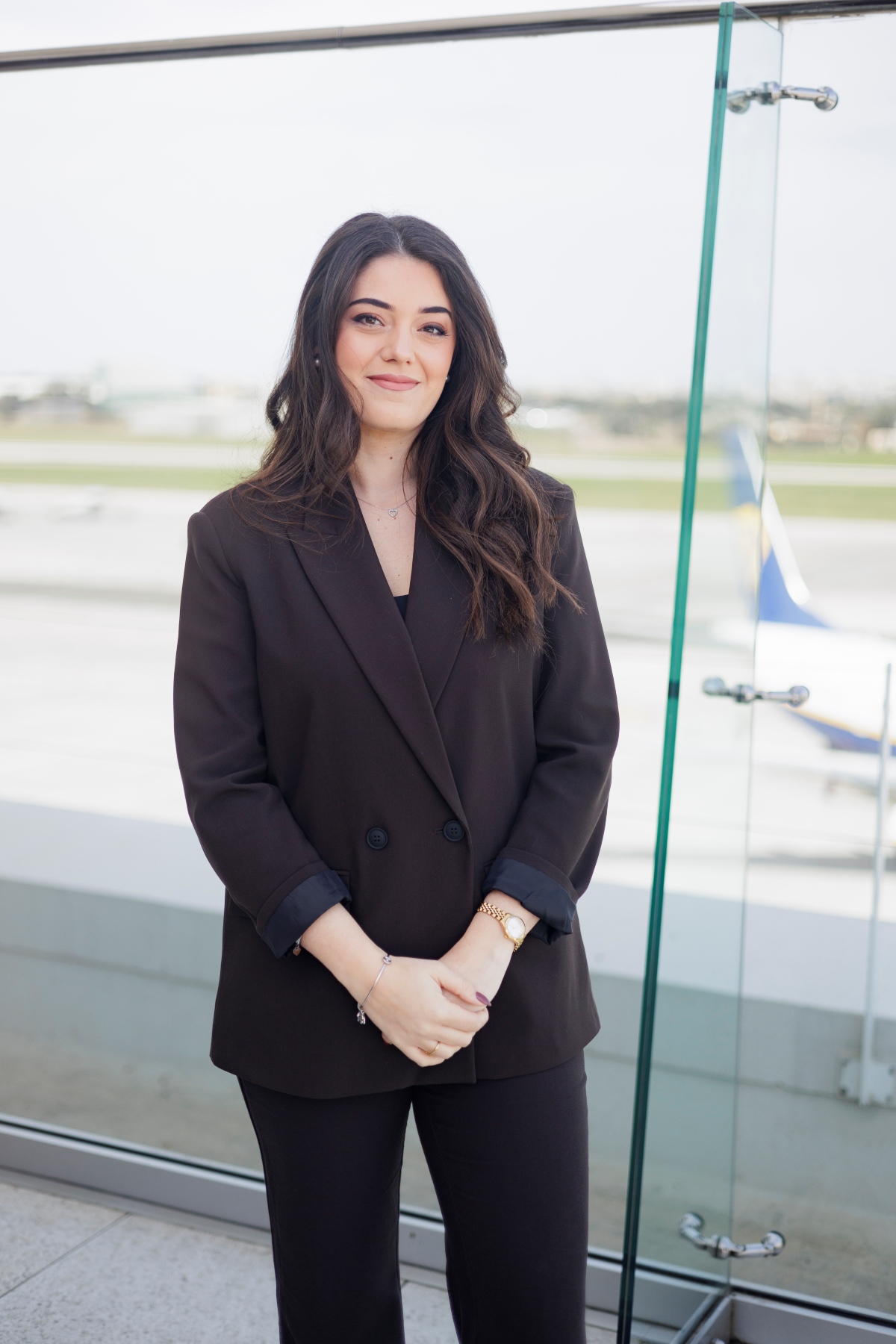
Naomi Ruggieri, Manager for Customer Services
Naomi Ruggieri, Manager for Customer Services, adds how this real-time insight also helps highlight the positive moments. “When staff go the extra mile, and great results are achieved, such as the ones we registered recently, these ‘wow moments’ are recognised internally, reinforcing a culture of service that is both responsive and rewarding.”
This constant positive feedback loop is spread across departments and not limited to the employees of the airport itself, as team members belonging to third-party contractors operating within the airport are also involved.
Rosemarie Barbara, Housekeeping Specialist with nearly two decades experience at the airport, describes how even cleaning teams are deeply integrated into the passenger experience. “Feedback collected through various touchpoints, including the popular smiley voting system in restrooms, helps my team identify patterns and adjust operations accordingly. The insight is invaluable, as we understand what the challenges are and if they relate to changing of shifts, maintenance issues, or passenger flow, to mention a few examples. Housekeeping is very much a frontline service that contributes directly to how passengers perceive the airport,” she notes.

Rosemarie Barbara, Housekeeping Specialist
That shared responsibility is reflected in Malta International Airport’s 2025 satisfaction score of 4.41 out of 5. “This is a clear affirmation that the team’s efforts are being recognised. Regardless of operational challenges, the presence of attentive and helpful staff can transform a passenger’s experience. There is no distinction between “my team” and “your team”. Collaboration across all functions ensures that every passenger interaction and touchpoint to the airport experience is guaranteed to be excellent,” Ms Ruggieri explains.
Maintaining this level of consistency, however, is no small feat. It requires continuous investment in people, processes, and insight.
“Internal focus groups, ongoing training, and even exchanges with other airports, such as Vienna, contribute to a culture of constant improvement. At the same time, the airport closely analyses evolving passenger profiles, identifying different personas ranging from frequent traveller to vacation enthusiasts, tech savvy persons to business passenger or assisted individuals. Each group brings its own expectations, whether that relates to connectivity, comfort, or accessibility, and the airport adapts its offering accordingly,” Ms Zammit adds.
Operational improvements have also played a key role. The introduction of new security screening technology has significantly enhanced efficiency, allowing passengers to carry liquids and electronics without additional hassle. Combined with courteous staff and streamlined processes, this has resulted in security screening being rated as the highest-scoring touchpoint. Ms Barbara notes that such changes also have a ripple effect which goes beyond the enjoyable experience of each passenger, including a more environmentally conscious operation since fewer items need to be discarded.
Beyond efficiency, safety remains paramount. With visible staff presence, extensive camera systems, and training that extends to stakeholders and employees, passengers are reassured at every stage of their journey. “Even wayfinding is treated as a shared responsibility, with all employees contributing to helping passengers navigate the terminal with ease,” Ms Ruggieri shares.
Engagement with stakeholders, from airlines to service providers, front of line as well as behind the curtains, ensures that best practices are shared and embedded across the entire ecosystem. This collective mindset has been instrumental in securing additional accolades this year, including ‘Cleanest Airport’. Daily coordination, careful planning around peak periods, and an acute awareness of passenger behaviour all contribute to delivering a seamless experience.
Interestingly, that experience is not limited to travellers alone, as the airport remains a popular destination with locals visiting to dine, shop, or simply spend time. Catering to this broader audience brings its own challenges but also offers an opportunity to reinforce the establishment’s role as a welcoming space.
While Malta International Airport draws inspiration from larger hubs, it also recognises the unique challenges of operating within limited space. “Initiatives such as passenger observations provide valuable insight into how different touchpoints are experienced, helping the airport refine its services in a targeted and meaningful way,” Ms Zammit furthers.
Looking ahead, the focus remains firmly on enhancing the quality of the journey. “Ongoing infrastructure projects, improved wayfinding, and a stronger Maltese identity within the terminal are all part of this vision. Seeing these projects come to fruition will be a key milestone,” Ms Ruggieri reflects.
“Putting it simply, as we always say, we must strive to be a better team tomorrow than we are today,” Ms Barbara affirms.
And perhaps, that is the secret behind Malta International Airport’s success. Excellence is a shared goal. Same as challenges, but also success.
Main Image: