Michael Warrington, CEO of AX Group, said Malta cannot develop a truly luxury tourism product while most hospitality staff are third-country nationals on short-term work permits.
Mr Warrington spoke to WhosWho.mt about an issue he had highlighted during a recent Malta Business Network discussion about luxury tourism.
Noting that over 80 per cent of AX Group’s 900 or so staff are third-country nationals on single permits that must be renewed every year, he said that the current state of play makes it difficult to build cultural knowledge, service consistency and long-term commitment.
“You cannot build a luxury product if your workforce has no certainty and no incentive to invest in the country itself,” he argued.
Mr Warrington said that high net-worth tourists expect quality levels of service, but that it takes considerable time to train staff to meet those standards.
"No one joins ready-trained to fit into your business model from day one; you have to invest time and money until they rise to the level and standards you need,” he said.
“Employers face a dilemma over how much energy and time should go into training staff on a one-year permit, with no guarantee of renewal. Creating quality service takes time.”
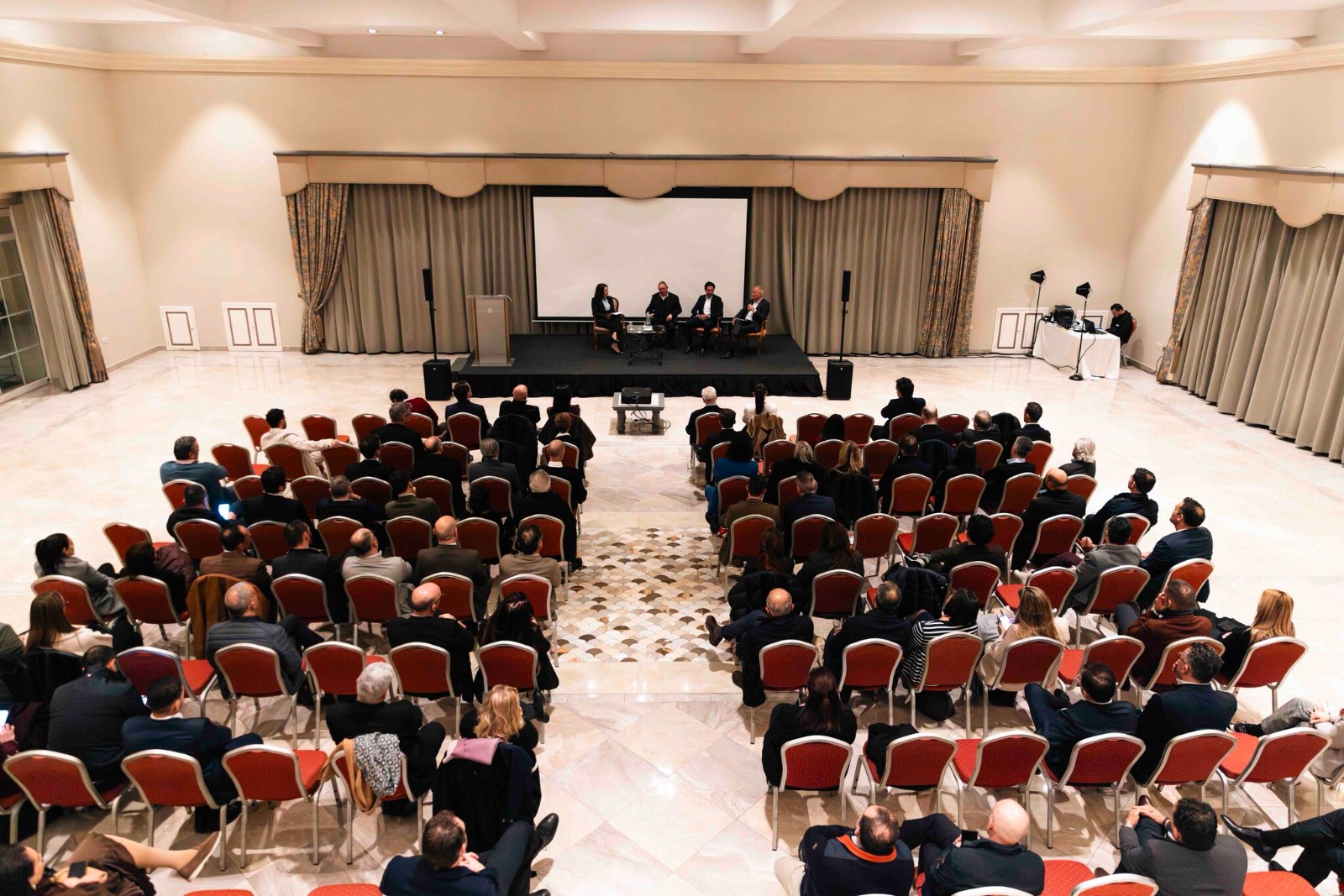
The recent conference which focused on luxury tourism (Photo: Malta Business Network)
While there is no rule of thumb for how much time it takes to bring a new staff member up to par, he said they usually become productive after four-six months in work.
However, refining certain skills crucial to luxury tourism – particularly client-facing ones – often take longer to develop and refine.
“A waiter can sell you a bottle of wine, but can he convince you to purchase the premium wine?” Mr Warrington explained.
“It’s more behavioural than functional. How do you resolve an issue with a difficult guest? How do you tackle a problematic situation? How do you inspire and upsell guests?”
Language fluency, which takes time to develop, plays a crucial role here.
“Some staff might have a very positive attitude but their command of English wouldn’t be the same as people who grew up speaking it,” he explained.
Asked where the solution could lie, Mr Warrington said the country needs to change its attitude.
“If we want to go for luxury tourism, we need a national strategy that moves us in that direction,” he said.
“It must start from the first person guests encounter in Malta, be it the baggage handler, the immigration officer or the cab driver. We need to combine all of these factors.”