AI and the Great Semiconductor Divide: Strengthening Europe's Competitiveness is the theme of this year's Global Semiconductor Conference Malta (GSCM), taking place on 16th and 17th November 2026 at the Westin Dragonara Resort.
With registrations now open and the full programme available online, the third edition of GSCM will bring together industry leaders, technology innovators, startups, investors, researchers and policymakers to examine the forces shaping the future of the global semiconductor industry and Europe's place within it.
Artificial intelligence is rapidly transforming the semiconductor landscape, driving demand for increasingly advanced computing capabilities while placing new pressure on the entire value chain. At the same time, Europe is navigating questions around technological sovereignty, investment, industrial capacity and competitiveness.
These issues sit at the heart of GSCM 2026.
The programme will explore how Europe can strengthen its position in a semiconductor industry increasingly influenced by AI, while creating the conditions for innovation, investment and industrial growth.
Opening the conference, author Marc Hijink will deliver “The ASML Way – Lessons in Building a European Chip Champion,” examining the development of one of Europe's most important technology companies and the lessons that can be drawn from its rise within the global semiconductor industry.
The programme then moves from strategy to implementation with “From Lab to Fab: Leveraging Pilot Lines for Industrial Growth.” The session brings together perspectives from organisations including imec, CEA-Leti, APECS and PIXEurope to consider how European research and development can translate into industrial capability.
Europe's competitiveness and strategic position will also feature prominently throughout the two-day programme. Sessions addressing IPCEI ME/CT and the outlook to IPCEI AST, as well as “Made in Europe & Strategic Autonomy,” will examine the role of European investment, collaboration and industrial policy in strengthening the continent's semiconductor ecosystem.
AI itself takes centre stage in the session “AI & the Value Chain Divide: Avoiding a Two-Speed Ecosystem and Ensuring Broad-Based Benefits.” Moderated by Nitin Dahad, Editor-in-Chief of EE Times, the discussion will look at how AI is affecting different parts of the semiconductor value chain and the importance of ensuring that technological progress creates opportunities across the wider ecosystem.
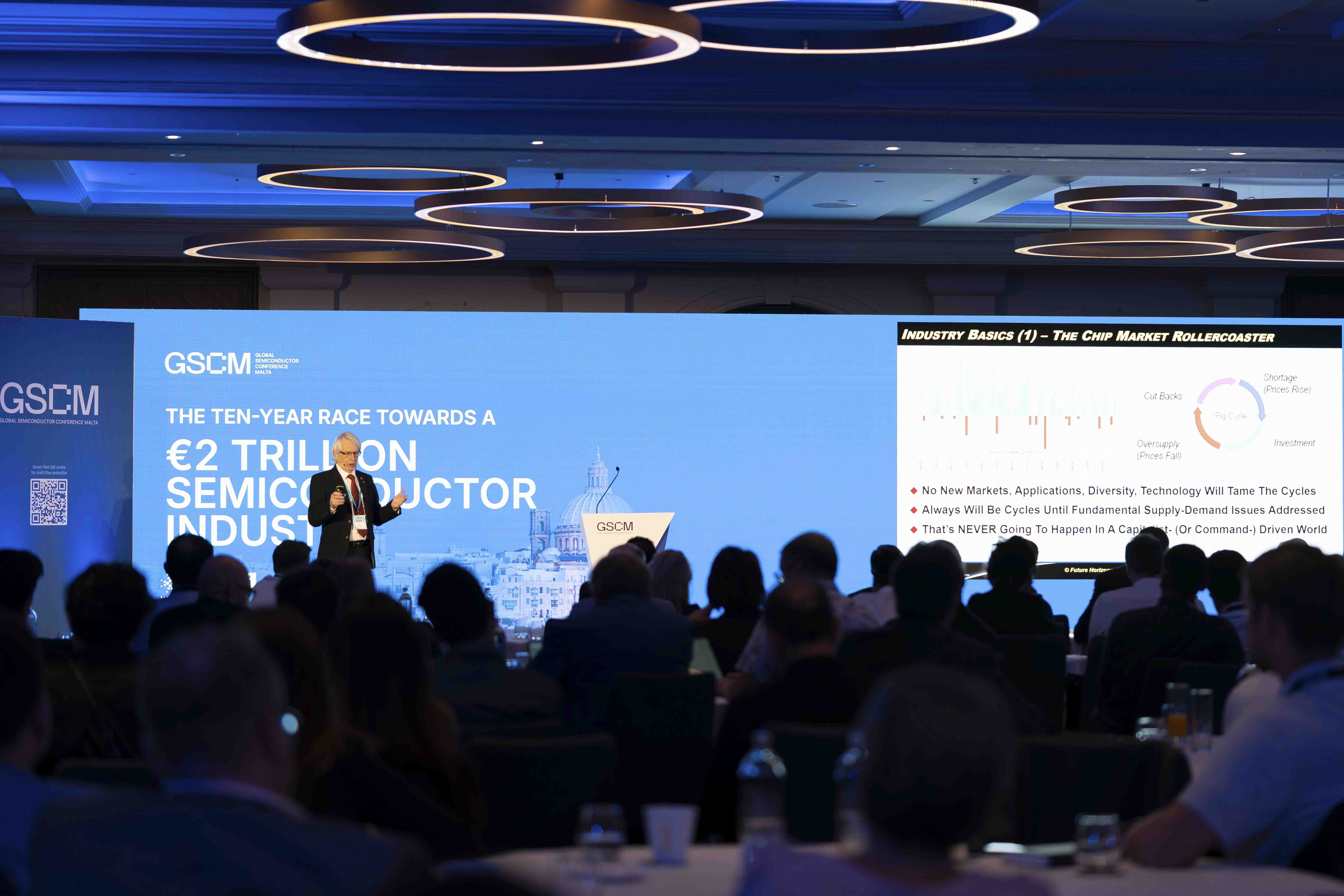
Innovation and investment are another important strand of GSCM 2026. The session “More than a Cheque – Why the Right Investor is Your Best Component” will explore the relationship between deep-tech companies and investors. The Conference will showcase more than 40 early-stage semiconductor startup pitches. These have been curated through the ChipStart EU programme supported by the Malta Semiconductor Competence Centre and EuroCDP. Connecting these emerging ventures with investors, GSCM helps bridge the gap between innovation and investment.
The conference will also look at the infrastructure needed to support Europe's next generation of chip innovation. A keynote by Romano Hoofman on the EU Chips Design Platform will examine its role in strengthening European semiconductor capabilities, followed by a discussion focused on European sovereignty and economic security.
Alongside technology, investment and policy, GSCM will address the people driving the industry forward. A dedicated Women in Semiconductors session will bring together female leaders to discuss diversity, innovation and growth within the sector.
Taken together, the programme reflects the central question behind this year's conference: how can Europe strengthen its competitiveness at a time when AI is accelerating the strategic importance of semiconductors?
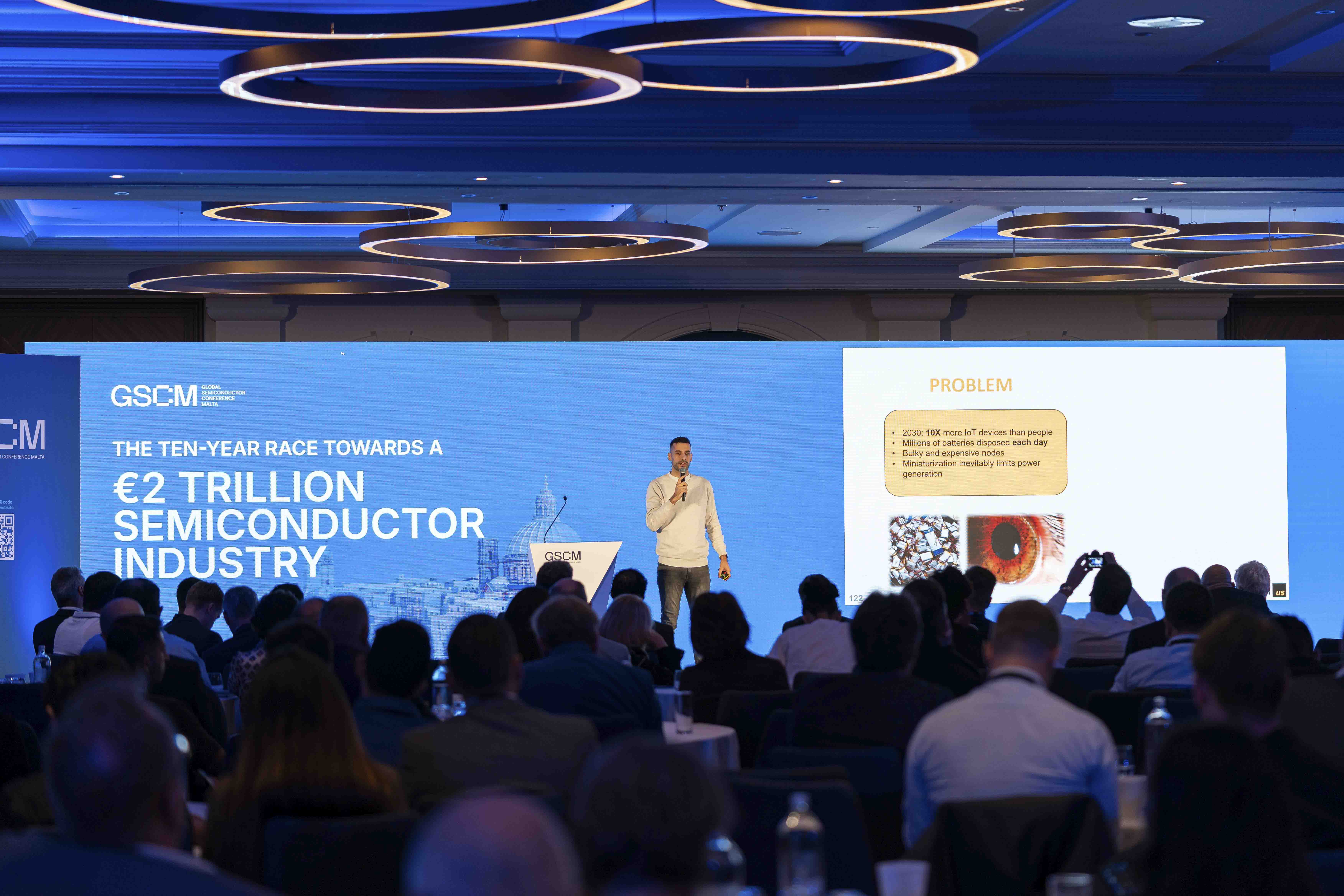
GSCM provides a forum for that conversation by bringing different parts of the ecosystem together – from established semiconductor companies and research organisations to startups, investors and policymakers.
For Malta, the conference provides an opportunity to further strengthen its position within Europe's semiconductor and wider technology ecosystem, while creating a platform for international stakeholders to connect, exchange ideas and explore potential collaborations.
Organised by Malta Enterprise in partnership with Silicon Catalyst EU, GSCM 2026 will take place on 16th–17th November 2026 at the Westin Dragonara Resort, Malta.
Registrations are now open and the full GSCM 2026 programme is available online here. Interested participants are encouraged to secure their place early.
Main Image: