A preliminary memorandum of understanding (MoU) signed between Iran and the United States has set the stage for a long-term peace deal, but anxieties about what this means for maritime passage through the Strait of Hormuz are unlikely to diminish until more details emerge, according to distinguished maritime lawyer and Comité Maritime International President Ann Fenech.
Not much is known about the framework agreement set to be signed in Switzerland this Friday 19th June, with conflicting reports emerging on American and Iranian media.
“Most ship owners and ship operators are adopting the ‘wait and see’ approach,” says Dr Fenech.
Speaking to WhosWho.mt, she says “there is still a great deal of uncertainty as to what the agreement actually means, and how and under what conditions vessels will be able to operate and transit the Strait.”
The MoU reportedly stipulates a 60-day negotiation period on a number of items, including Iran’s nuclear capabilities and sanctions relief, so a definitive peace deal is a long way off. However, the Strait of Hormuz, a critical route for oil, gas and chemicals, is set to reopen once the MoU is signed on Friday, according to US President Donald Trump.
Dr Fenech believes this 60-day period will be essential to allow ships and crews who have been stuck there for months to get out, but warns that hopes of a swift resumption of traffic flows may be premature, with a return to normality “difficult to predict”.
“Getting those ships that have been stuck there out of the Strait is one thing, and a return to normal trading in and out of the Strait is another thing altogether.”
For one, ship owners are still facing war risk premiums, “which are unlikely to move downwards until there is long term clarity,” says Dr Fenech.
An even more pressing issue, she continues, is the physical danger to ships and crews.
“These waters are riddled with all sorts of mines and hazards. As the Secretary General of the International Maritime Organization Arsenio Dominguez has repeated so many times since this war was started, there are still over 500 vessels with 11,000 sea farers which are stuck there.
“The welfare of these persons is first and foremost. The removal of the mines and other hazards must be ensured so that there can be an organised evacuation of these ships and crews before we can see normal resumption of operations, which prior to the war would see circa 130 vessels a day transiting the Strait.”
Another question to which no clear answer has yet emerged is whether traffic through the Strait will resume in line with pre-war conditions – that is, freely – or under the management of Iran and Oman, against a fee.
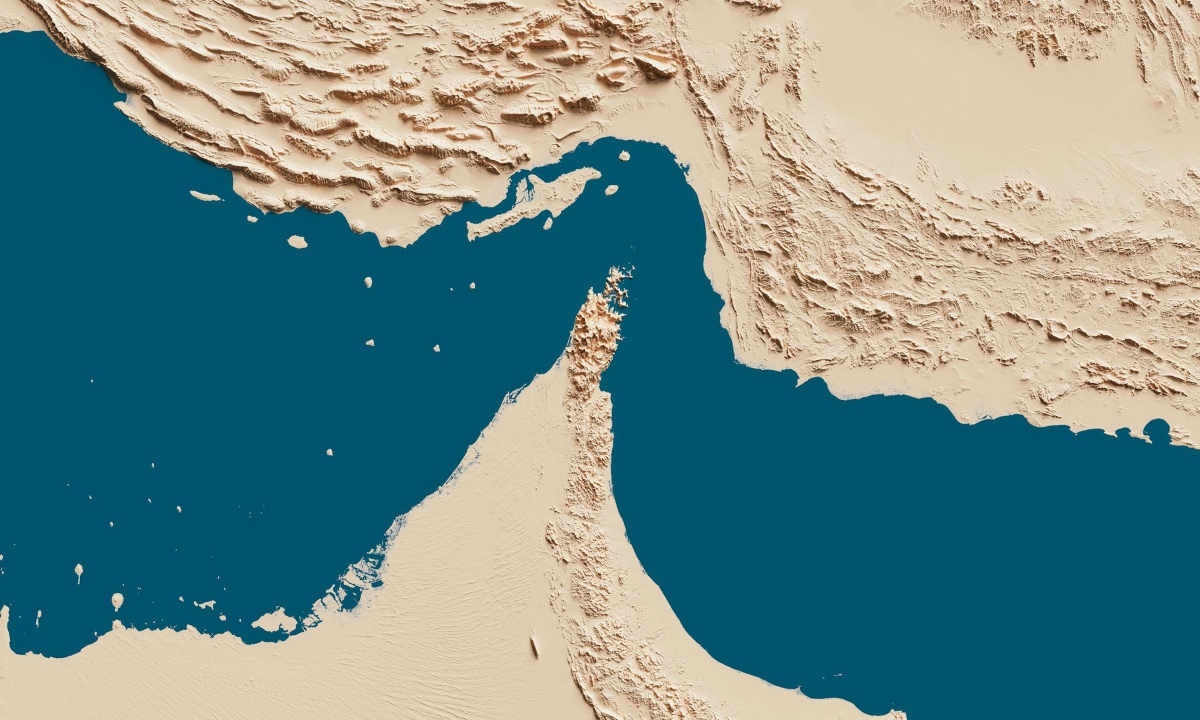
The Strait of Hormuz / Planet Volumes / Unsplash
“As far as whether or not tolls are going to be paid, there is here too a great deal of confusion, with mixed reports coming through the shipping media,” says Dr Fenech.
“On the one hand, there are reports of tolls being suspended for 60 days, and on the other, Iran claims to still be in control of the Strait. We do not really know what that actually means, and what that level of control is going to add up to.”
The announcement of the MoU, then, “was met with a mix of cautious optimism and concern in terms of what it really means and what happens next. Regrettably there is not much certainty or clarity at all.”
Ship owners and operators are therefore “waiting earnestly for Friday,” when the agreement between the USA and Iran is actually signed.
Until then, says Dr Fenech, “there is a great degree of breath-holding among those operating in the maritime space.”
Main Image: