Malta has made history as the first country in the European Union to sign a collective agreement for the courier industry, a sector that has grown rapidly in recent years.
To industry stakeholders, the agreement means a new era of accountability, fairness and alliance, supported by both the Government of Malta and the General Workers’ Union (GWU).
Mr Iousef Meli, President of MDFOA, described the agreement as a landmark achievement not only for Malta but also for the wider European courier industry.
“Given Malta’s size and drawbacks compared to larger markets with thousands of couriers, we were the first to take such an initiative. We have positioned ourselves as a leader and created what can effectively become a pilot project for the rest of Europe,” he said.
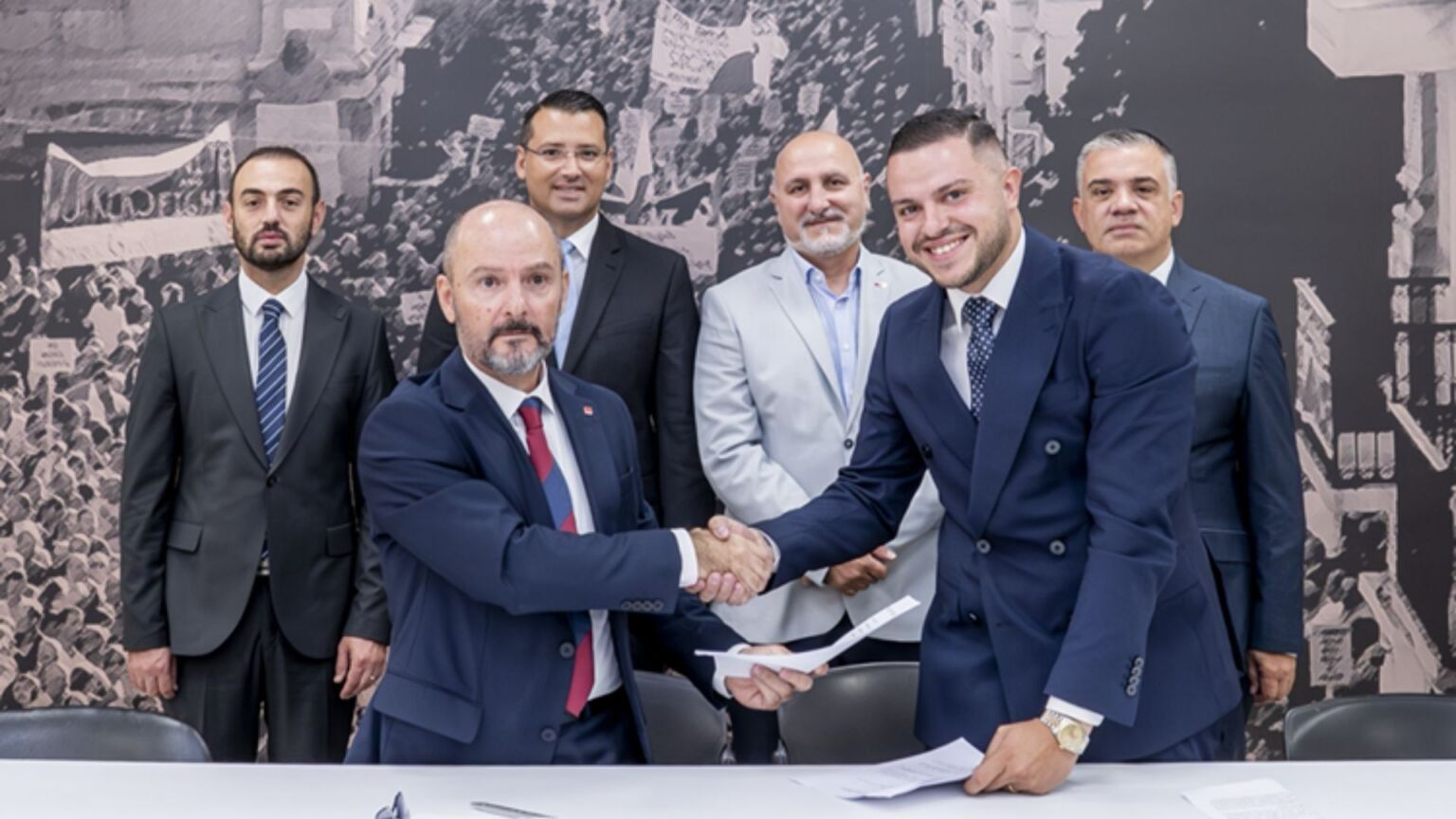
The agreement follows years of discussion and industry-wide efforts designed to improve standards and create an increasingly sustainable framework for operators and employees alike. According to Mr Meli, the initiative emerged from recognition that the sector needed greater structure and clearer direction.
“Our industry was not the most regularised industry. There was a good amount of work needed to bring more regulation into the sector. The difficulties we encountered, including courier strikes, were a wake-up call for everyone involved and encouraged us to collaborate with the GWU and move in the direction of a healthier industry,” he explained.
One of the most significant outcomes of the collective agreement is the protection it provides for employees. Mr Meli believes the agreement offers workers greater security and confidence in their day-to-day employment.
“As an employee, you will have peace of mind that whatever you are entitled to, you will receive. You will also have a clear channel through which you can report employers who abuse basic rights,” he said.
At the same time, employers also stand to benefit from the new framework.
“For employers, it signals ease because competitors will be operating in the right direction. Competition remains healthy, but it will also be fair,” Mr Meli noted.
He added that the agreement is expected to improve public perception of the courier sector, which has often attracted scrutiny in recent years.
“We have managed to flip the switch on this. The goal is that people stop hearing negative stories about couriers and instead see an industry that is organised, responsible and sustainable.”
One of the main strengths of the initiative lies in the support it has received from both the Government of Malta and the GWU. Mr Meli described this collaboration as essential to the agreement’s credibility and long-term success.
“If the government endorses a contract, it is doing so in good faith. The union’s role is to protect employees and their rights. When both parties support an initiative, it sends a strong message that this is the right direction for the industry.”
Going forward, Mr Meli believes the agreement will encourage greater compliance and accountability across the sector. He emphasised that operators who adopt the new standards will help strengthen the industry, while those unwilling to comply will undergo increased scrutiny.
“This is a clear message that operators who want to work professionally and responsibly should move in this direction. Our doors remain open for discussion and guidance, particularly for operators who may still need support in understanding best practices.”
Ultimately, Mr Meli sees the collective agreement as a win for all stakeholders concerned.
“The government wins, the union wins, employers win, and employees win. Most importantly, the industry wins. This agreement creates the foundation for a stronger, fairer and increasingly sustainable future for Malta’s courier sector.”
Main Image: