The following was penned by the Malta Institute of Accountants
The existing global framework governing corporate taxation has in recent years struggled to keep up with a rapidly integrated and digitalised economy. Multinational enterprises have sought to shift profits to regions promoting favourable fiscal conditions. Studies suggest that nearly 40 per cent of such companies’ profits find their way to such jurisdictions.
In this context, there has been a rapid shift calling for major changes in the way companies are taxed. Firstly, there is the fairness element—ensuring that everyone, big or small, pays their fair share of taxes. Secondly, in this age of globalisation and digital expansion, the current tax system struggles to keep up, allowing companies to easily shift profits across borders. Thirdly, reform aims to combat tax evasion and avoidance. It is also about creating a level playing field, ensuring that businesses compete fairly, regardless of size or location. Moreover, these changes are crucial to ensure governments have the revenue needed for public services and infrastructure. Finally, it has been recognised that global cooperation is essential to address these challenges effectively.
There were, however, two realities which accelerated this transition. Globally and within Europe, the COVID crisis deeply impacted economies and societies. Originating as a major health concern, it escalated into the European Union (EU)'s most severe economic downturn, resulting in profound social consequences and leaving Member States grappling with unprecedented levels of public debt. Addressing this debt is an unavoidable necessity in the wider context of competitiveness. In a context where Europe already stands as the most heavily taxed region globally, with the tax-to-Gross Domestic Product (GDP) ratio hovering at approximately 40 per cent in the EU, surpassing the OECD's 33 per cent average, the potential to further augment tax revenues in the future could be constrained. Thus, increased efficiency rather than tax increases, is the order of the day.
Simultaneously, the world has come to terms with an escalating environmental crisis, an ongoing tragedy for our planet. Resolving this demands a significant financial effort, and the backing of fiscal incentives—or disincentives—is crucial to fulfilling the numerous commitments made for the coming decades.
These are the key principles behind the introduction of gamechangers such as BEPS and Pillar II, a unified and aligned approach to combating profit shifting. In parallel, there is a concerted effort to uphold the fundamental principles of the single market while advocating for the continuous streamlining of national regulations. This endeavour aims to create a harmonised and efficient framework for corporate taxation.
These measures collectively aim to foster a landscape where international tax structures are more coherent, streamlined and fair, ensuring that profits are appropriately taxed based on genuine economic activities. What they mean for the accountancy profession and the wider financial services jurisdiction is significant change and adaptation is required. Despite Malta being among a number of EU Member States that have communicated their plans to postpone implementing a 15 per cent minimum tax rate for companies generating an annual turnover of €750 million, businesses operating internationally will face immediate repercussions due to these regulations coming into force.
At the same time, these direct taxation developments have been mirrored by extensive reforms related to indirect taxation, with efforts aiming at enhancing the fight against tax evasion and tax loss, particularly in the realm of VAT in the context of cross-border transactions.
In practically just under a decade, these shifts will have significantly altered the landscape. This evolution means increased oversight and stricter enforcement from supervisory bodies. For accounting professionals, this demands substantial investment and ongoing training to adapt to changing regulations and standards. A heightened level of vigilance and skill is required to navigate this evolving environment successfully. Staying abreast of these changes will be essential to uphold professional standards and continue meeting the demands of an increasingly regulated industry.
Within this context, the Malta Institute of Accountants' yearly tax conference presents an ideal occasion to stay updated on the current state of play on national, European, and global tax developments. This event will assist industry professionals in assessing the tax situation comprehensively and strategise for the future accordingly.
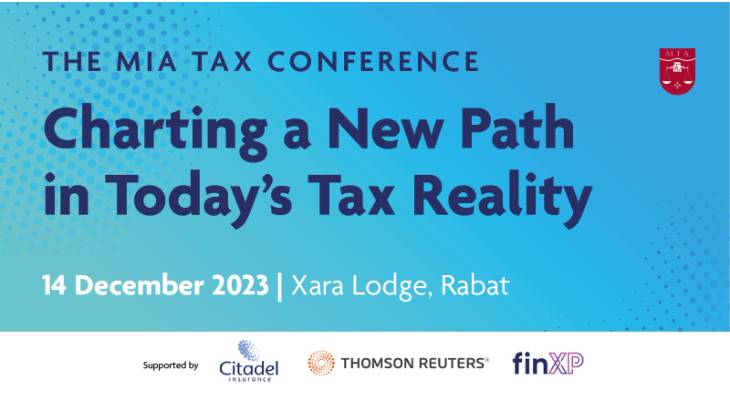
The Malta Institute of Accountants Annual Tax Conference will be held on 14th December 2023 at Xara Lodge, Rabat. Further information and registration details are available here.
Main Image: