A pledge by the Labour Party to allocate part of the eco-contribution paid by tourists to local councils has been welcomed across the political spectrum in a rare display of cross-party praise during an election campaign.
The proposal could practically double the funds available to the councils of popular seaside destinations, with initial estimates based on the number of tourist beds indicating additional income of around €1.36 million for the Sliema local council and €2.33 million for that of St Paul’s Bay.
When contacted by WhosWho.mt, Sliema mayor John Pillow and St Paul’s Bay mayor Ċensu Galea – both elected on the Nationalist Party ticket to lead PN-majority local councils – did not hesitate to describe the measure as “very meaningful, important, and welcome.”
Sliema local council executive secretary Pierre Portelli added that, if implemented well, it could go a long way towards increasing the autonomy and independence of local government.
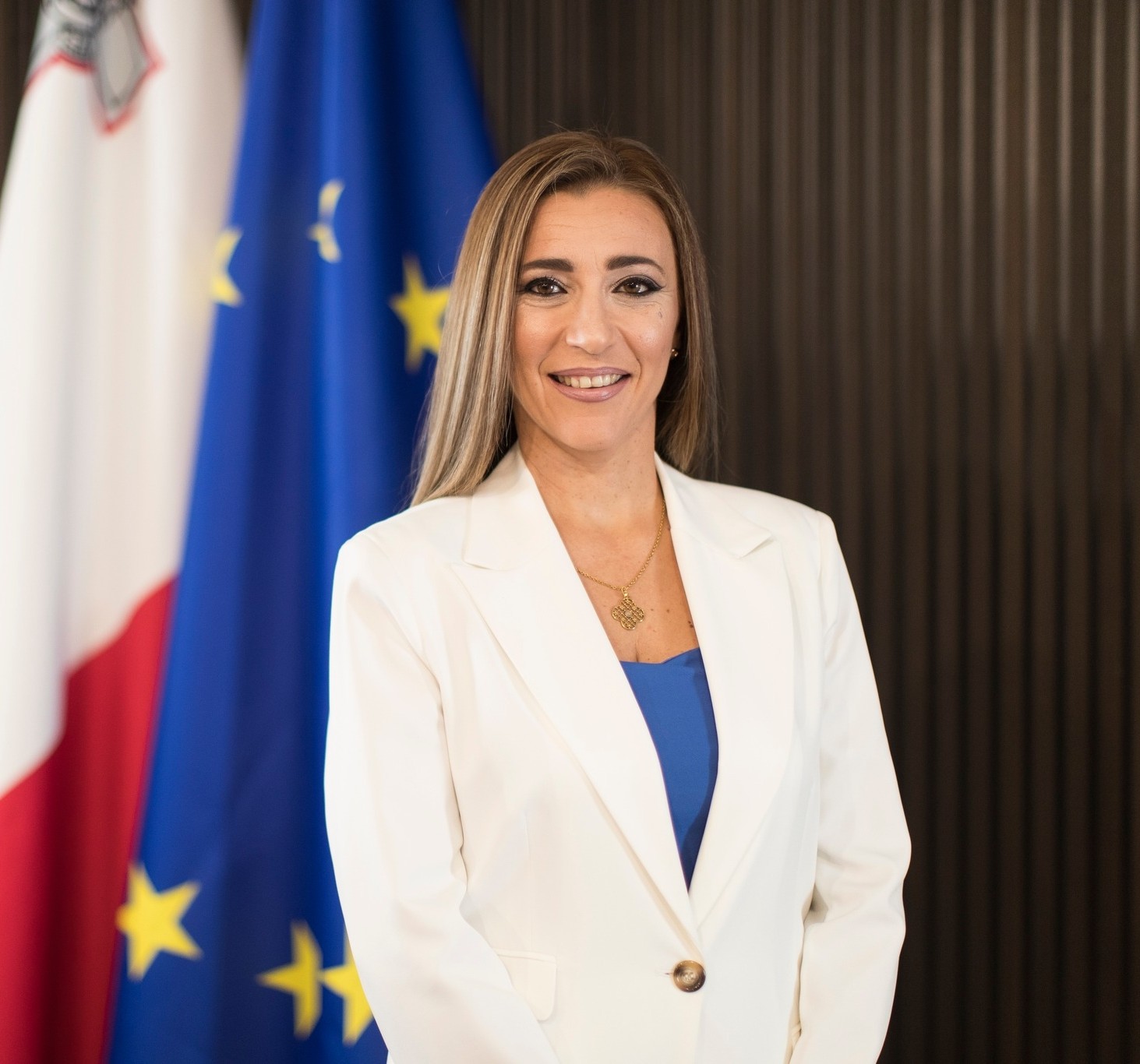
Parliamentary Secretary for Local Government Alison Zerafa Civelli
Announced on Thursday by PL candidate and Parliamentary Secretary for Local Government Alison Zerafa Civelli as part of a set of proposals to improve Malta’s tourism offering, the move would see a third of the €1.50 nightly eco-contribution paid by tourists added to local council funds “according to the impact of touristic activities on that locality.”
No details were provided on how that impact would be measured.
The €1.50 nightly rate – an increase from the previous €0.50c – was announced in the Government Budget for 2026, and is set to take effect from 1st July. It is capped at €22.50 per stay.
Local funds for local projects
The idea of allocating part of the eco-contribution collected from tourists to local councils is not new.
Gozitan associations have long called for such funds to be ringfenced for local use, with the Gozo Tourism Association, Gozo Business Chamber and Gozo Regional Development Authority all making the proposal a staple of their annual pre-Budget wishlists.

ADPD Chairperson and St Paul's Bay Councillor Sandra Gauci
Growing concerns about the localised impact of mass tourism also led the St Paul’s Bay local council to file a formal request for such a measure in August 2025, after a motion tabled by councillor and ADPD chairperson Sandra Gauci passed with PN support. PL councillors had voted against the motion at the time.
Responding to the PL’s adoption of the idea, ADPD said it “confirms what ADPD has been insisting on for years: communities carrying the burden of mass tourism deserve direct financial support to maintain and improve residents’ quality of life.”
An extra €13 million for high-tourism areas?
The more than 4 million tourists who visited Malta in 2025 spent a total of 25.4 million nights in the country. Taking into account the surge in tourist arrivals registered in the first months of 2026, the eco-contribution to be allocated to local councils under the PL’s proposal may exceed €13 million.
Malta’s local councils are almost entirely dependent on the Government for funding, with the total allocation for 2026 amounting to €43 million across all 68 councils.
The addition of €13 million to the pot, and its distribution among those councils seeing high levels of tourist activity, is therefore an appreciable increase.
For Sliema and St Paul’s Bay, the proposal could have a major impact on their budgets.
While details on how the allocation proposed by the PL would work have yet to be revealed, the proposals put forward by Gozo associations and the St Paul’s Bay local council were simple: the eco-contributions paid for nights spent in a particular locality should be allocated to that locality.
There is no readily available data on the number of tourist nights spent in different areas, but the number of beds available can yield a rough estimate.
Parliamentary questions filed by MP Graziella Galea in April 2025 revealed that Sliema had 9,354 bed spaces while St Paul’s Bay had 15,990, across hotels, short-lets and other forms of licensed tourist accommodation. That means that the total potential nights spent in Sliema and St Paul’s Bay amount to 3.4 million and 5.8 million, respectively.
With an average occupancy rate of 80 per cent and an eco-contribution of €0.50c, the Sliema local council could see a €1.36 million boost to its income, effectively matching the €1.34 million it is set to receive from the Government this year.
For St Paul’s Bay, the proposal could result in a €2.33 million increase. With its total income for 2026 forecast to be €2.16 million, the local council of Malta’s most populous town would see its funds double practically overnight.
A lot of money – and plenty to spend it on
St Paul’s Bay mayor Ċensu Galea said the measure – if implemented in line with the council’s proposal – could yield around €6,500 every day of the year, boosting the council budget by over €2.3 million a year.
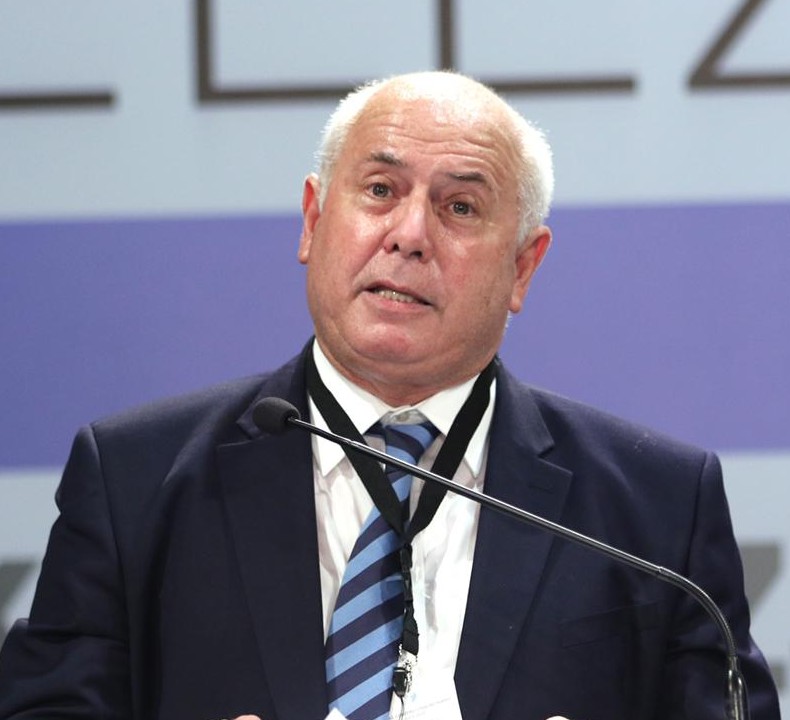
St Paul's Bay Mayor Ċensu Tabone
“That’s a huge difference,” he said. “That means a lot.”
Asked what he thinks the council should spend the money on, the mayor said investment in aging infrastructure would be “the number one priority.”
“Around 90 per cent of our pavements need to change, and many roads need to be rebuilt.”
The St Paul’s Bay mayor added that such basic works are only necessary because of a lack of Government support: “So we need to focus on these things because other authorities refuse to do it.”
John Pillow, mayor of Sliema, agreed that long-overdue infrastructural works would be a priority in his locality.
“The pavements were last done 30 years ago,” he said, adding that many of Sliema’s 121 roads also need work.
Both mayors said that such interventions, while beneficial to residents, are also necessary to preserve and improve the tourist experience in their localities.
Mr Pillow said: “We have a large population, and it surges in summer. These funds would allow us to refurbish and maintain the areas that are, on the one hand, most impacted by the number of people, and on the other, have the greatest impact on the people passing through.”
Alongside infrastructural works, he cited the upgrading and maintenance of soft areas as another priority, including the replacement of the aging railings and benches.
The ‘special case’ of Gozo
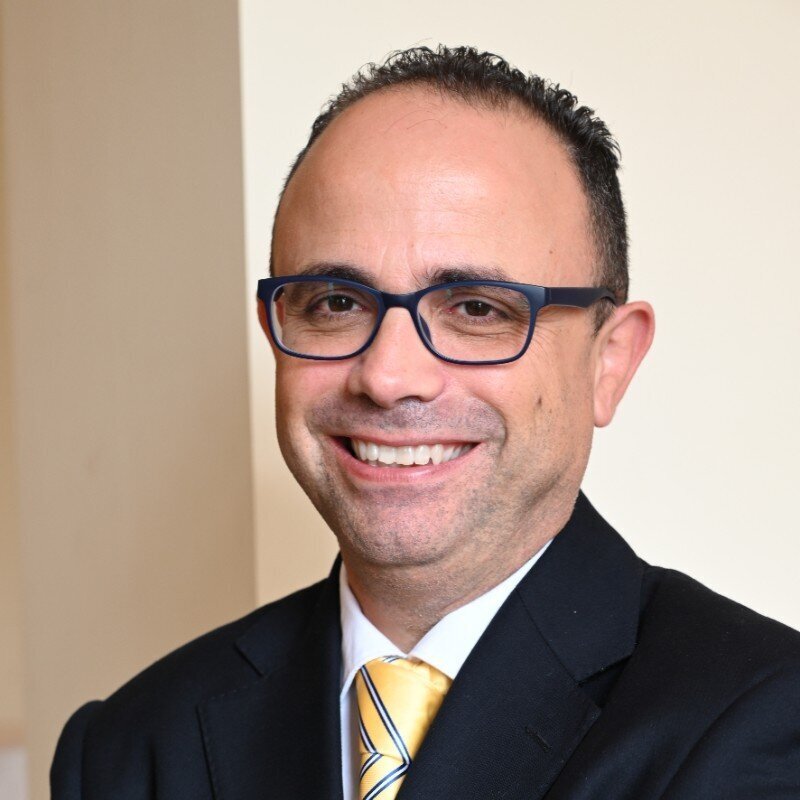
Gozo Business Chamber CEO Daniel Borg
Gozitan associations have been calling for the eco-contribution collected in Gozo to be used on the island for years, and Gozo Business Chamber CEO Daniel Borg welcomed the “positive” proposal.
Nonetheless, the large number of day trippers to Gozo means that the island is something of a “special case”, he said.
“They also leave an environmental impact but are not captured by the current eco-contribution system.”
The long-term goal, he continued, is to “move towards a more sustainable model where the impact of day trippers is measured.”
‘They heard us’
Pierre Portelli, executive secretary at the Sliema local council, said the council met with Tourism Minister Ian Borg and Parliamentary Secretary for Local Government Alison Zerafa Civelli in recent months.
“They heard us and paid attention. Now it looks they’re taking it on board.”

Sliema Local Council Executive Secretary Pierre Portelli
For Mr Portelli, the question of how the eco-contribution could be used by local councils is also a personal one, having written about the subject as part of his academic studies.
“All across Europe, councils have the means to raise their own funds. In Malta, we always have to ask the Government. Having direct fundings allows local councils to be more autonomous and independent, and ultimately able to better serve their constituents and their areas,” he said.
“So if we are moving in this direction, it’s a very positive move.”
However, he also urged caution: “We still need more details. Will this money actually go straight into local council coffers? Or will it be a pot that we need to apply to?”
Finally, Mr Portelli warned against establishing a system with too many hurdles: “Let’s not waste funds, but let’s not make it too bureaucratic either.”