Professor Jane Somerville, a pioneering British cardiologist who collaborated with Maltese doctors for over a decade to improve care for patients with congenital heart disease, is set to receive a prestigious Lifetime Achievement Award from the British Heart Foundation (BHF).
The award will be presented at the charity’s annual Heart Hero Awards in London on 24th November 2026, making her only the second recipient of the distinction.
During her time on the island, she established relationships with Maltese doctors treating patients with congenital heart disease, helping to set up dedicated services at St Luke’s Hospital and subsequently Mater Dei Hospital. She also purchased a flat in Portomaso in 2005.
The collaboration between her and Maltese doctors continued for more than a decade, contributing to the development of specialised care for patients born with heart conditions.
Her contribution to medicine extends well beyond Malta. Over a career spanning six decades, Prof. Somerville played a central role in establishing Grown Up Congenital Heart Disease (GUCH) as a distinct medical specialty.
As advances in heart surgery allowed more children born with congenital conditions to survive into adulthood, she recognised the need for specialised lifelong care, including during adolescence, pregnancy and later life.
In 1968, she served as Attending Cardiologist during the UK's first heart transplant at the National Heart Hospital. She subsequently founded the World Congress of Paediatric Cardiology, organising its inaugural conference in 1980.
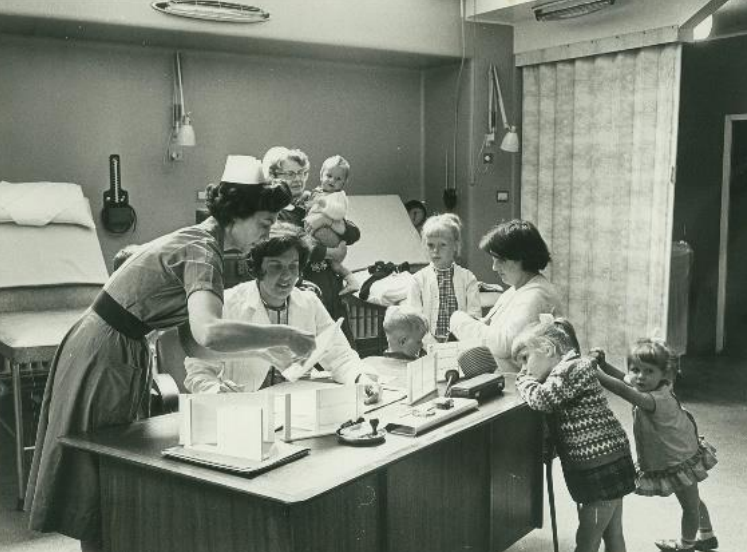
Throughout her career, she also advocated for greater representation of women in medicine and challenged established practices within the profession.
Her achievements have earned her international recognition, including honours from Malta, Italy and the United States.
Her life and career are now the subject of a new biography, Another Bloody Woman: Jane Somerville – Cardiologist, Rebel, Pioneer, written by Kate Bull.
Scheduled for publication on 19th November 2026, the book explores the challenges Prof. Somerville faced as a woman entering medicine in the 1950s, her contributions to cardiology and her advocacy for patients.
The biography draws on interviews with Prof. Somerville, former colleagues, patients and family members.
Professor Bryan Williams, Chief Scientific and Medical Officer at the British Heart Foundation, described her as "one of the true pioneers of modern cardiology".
Main Image:
