Subscriptions have quietly reshaped the way we consume all sorts of services. From Netflix for TV and movies to Spotify for music, people have grown accustomed to accessing powerful platforms without paying hefty sums upfront.
That same shift has also been transforming the technology sector. Rather than purchasing expensive systems outright, businesses increasingly rely on Managed Service Providers (MSP) that deliver essential tools through subscription-based models. These services can include everything from antivirus protection and network monitoring to broader cybersecurity solutions, giving companies access to advanced technology without the burden of large upfront investments.
For 4TFront, the ICT Distribution arm of William J England & Son Ltd, a long-established ICT solutions specialist in Malta providing hardware, software and technology, this shift has been a natural evolution. In recent years, the company has embraced the managed services approach, helping clients access the latest tools while keeping costs flexible. This business model has continued through a strong network of resellers. Rather than selling directly to end users, 4TFront supplies technology solutions to partners who then bring those offerings to market.
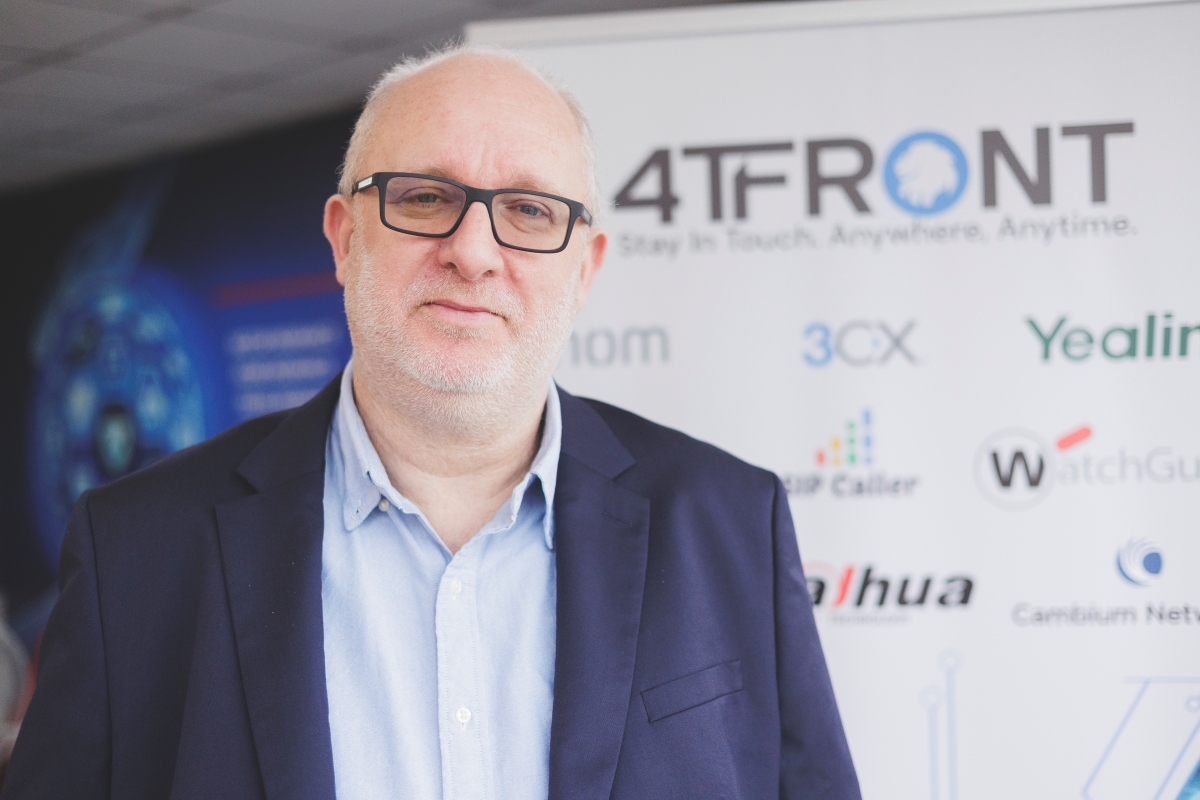
“About 95 per cent of our turnover comes from this reseller channel,” Director William England explains. “These partners range from IT service providers to specialist technology firms, each serving their own client base.” MR England notes that the end users themselves can vary widely, from large corporate organisations to small businesses or even private homeowners looking to equip a high-tech property.
Reflecting on why the managed services model is continuing to grow in popularity, Mr England believes that it’s allowing CEOs and CTOs to focus on their business, giving them peace of mind that the technology is up-to-date and taken care of. “With this model you’re paying for someone to solve any tech related problems for you,” he says. “If something goes wrong, you call your provider and they can log into your system remotely or send a technician. That way you know the issue is being handled by professionals.”
Such services are typically structured in tiers, allowing companies to scale as they grow, starting with essential software and support hours, then adding more advanced security and services over time. As organisations expand, some eventually hire internal IT staff while still relying on their MSP for broader oversight. The relationship, Mr England notes, often becomes long-term. “It’s a bit like leasing a car. If you’re happy with the service, when it comes up for renewal you tend to stay loyal to the provider.”
Another advantage of the MSP model is that it allows clients to stay on top of cyber threats, which look very different from the viruses many businesses remember from a decade ago. Attacks have become more sophisticated, often disguising themselves as harmless emails or links while quietly delivering malicious code in the background. “People are not understanding the evolution of the virus,” he explains. “What looks like a very innocent link could actually be downloading something harmful.”
The challenge has grown even greater with the rise of remote and hybrid work. Employees increasingly access corporate systems from home, while travelling, or from locations outside the traditional office network.
“When the employee is at home, no longer behind the corporate firewall, many clients are missing that layer of protection,” he notes. In practical terms, that means work devices are no longer protected by the security rules normally enforced inside the office network. Without those safeguards, employees may unknowingly browse unsafe websites, download risky files, or click on malicious links that would otherwise be blocked.
“In the office, the firewall might stop you from accessing dangerous sites or suspicious downloads,” Mr England explains. “But when you’re outside that environment, it creates an opening for attackers.” A seemingly harmless email link or download could capture login information or give criminals access to corporate systems. Once inside, they can impersonate users, steal data, or lock files through ransomware.
“Our systems allow businesses to replicate the protection of the corporate firewall on individual devices,” Mr England notes. “So even when employees are working remotely, their connection still benefits from the same security safeguards.”
But Mr England also notes that technology alone is not enough. Human behaviour remains one of the biggest vulnerabilities in any organisation. That’s why 4TFront also focuses on helping partners and clients raise awareness among staff, even going so far as to set up simulated tests.
“For example, we can run an anti-phishing simulation campaign on staff,” he says, whereby carefully crafted emails are sent out, designed to resemble real phishing attempts. “We craft an email as close to a real phishing one to see how many people click.”
The results help companies understand their exposure and identify where training is needed. From there, organisations can introduce short learning modules, surveys or video-based training sessions with certification. “Once people understand the risks, they are more likely to share that knowledge with colleagues, friends and family. This way we can start turning cybersecurity into a collective habit rather than just another IT task reserved only for work,” Mr England says.
4TFront is also embracing more AI solutions for automation, across areas such as phone systems and IT management tools, to help clients automate routine tasks and streamline workflows. For example, digital assistants within communication systems can respond to common requests and route calls automatically based on specific “trigger points” programmed into the system.
Yet while automation continues to advance, Mr England believes the bigger issue for businesses remains a question of priority. “We spend money on convenience every day, whether it’s music streaming, cloud storage, or other trivial subscriptions for gaming apps and the like. But protecting the systems your company depends on should be just as important. And now, MSPs make that protection more accessible than ever before. It’s something we all should serious
Main Image: