The Sixth Form years are an important turning point in a young person's education. Alongside preparing for examinations, learners begin making decisions that will influence their university choices, future careers and growing independence. Having the right support during these two years can make a meaningful difference.
At St Martin’s College Sixth Form, this transition is approached with the understanding that no two learners are alike. Since opening in 2007, the Sixth Form has placed individual attention at the centre of its educational philosophy, recognising that each learner brings different strengths and ambitions to the classroom.
One way this philosophy comes to life is through intentionally small classes, averaging around 10 learners. While smaller groups naturally encourage greater participation, their value extends well beyond the numbers.
Educators have the opportunity to understand each learner personally and recognise where additional support may be needed. They can adapt their teaching accordingly, whether through individual explanations, focused feedback or even personalised assignments. This closer attention also means that potential difficulties can be identified early, allowing learners to receive guidance before they fall behind.
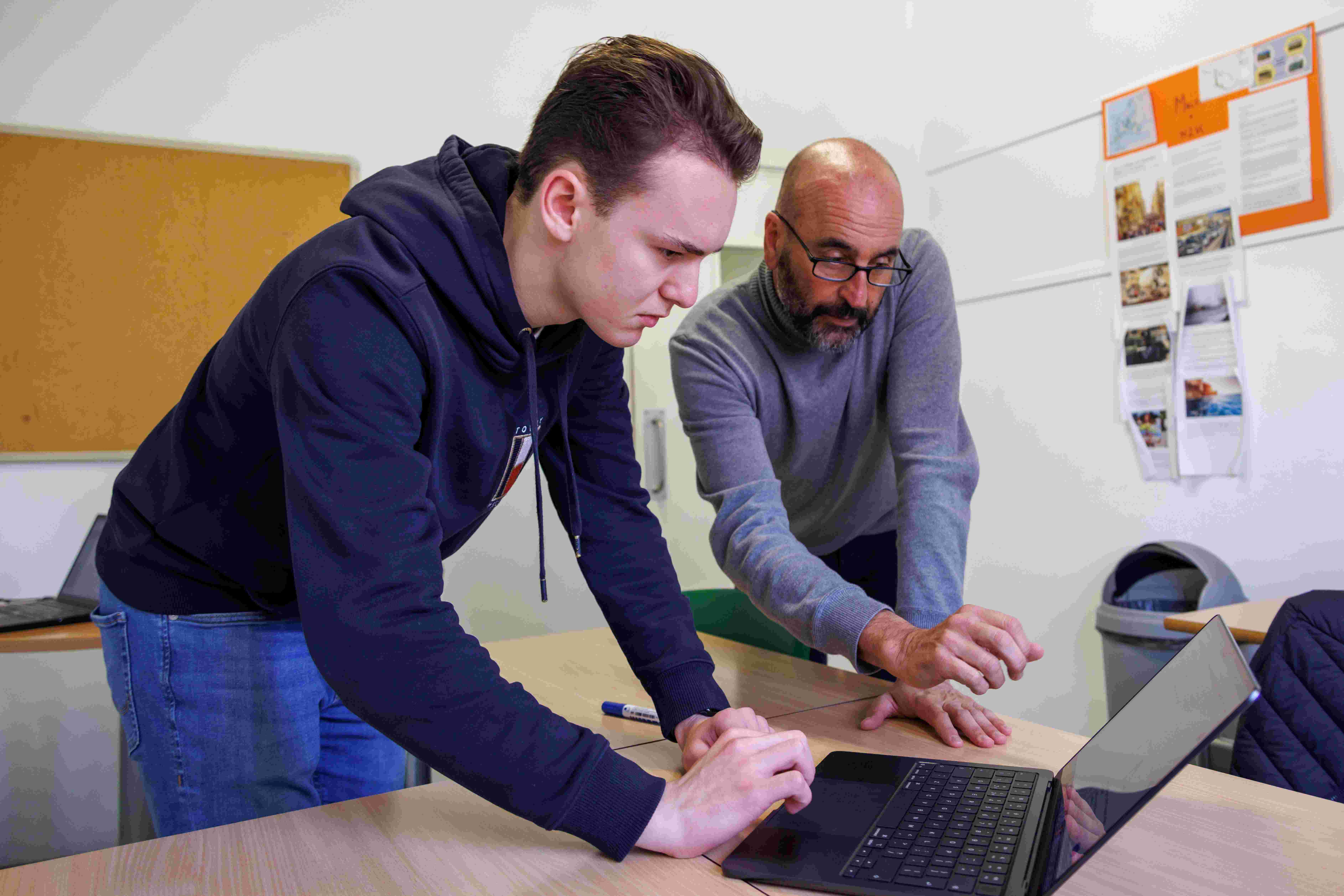
Equally important are the relationships that develop along the way. In a smaller classroom, learners often feel more comfortable contributing to discussions or seeking clarification when something is unclear. Mistakes become part of the learning process rather than something to fear. Over time, this supportive environment helps build confidence and encourages learners to take a more active role in their education.
But personalised education is not simply about providing additional support. It also means giving young people greater ownership of their decisions.
At St Martin’s College Sixth Form, besides opting for the standard MATSEC certificate subjects, learners can choose to pursue three Advanced Levels. This provides greater flexibility to concentrate on subjects that reflect their interests and future ambitions. For those considering university courses in Malta or abroad, the ability to select an appropriate academic pathway can be particularly valuable.
Guidance begins even before enrolment. Through individual discussions and careers advice, learners and their families can explore the options available to them. The school's annual open evening also provides an opportunity to speak directly with educators about subject choices. This support continues throughout the Sixth Form journey as learners begin to consider university applications and potential careers.
Of course, greater choice also brings greater responsibility. Recognising this, St Martin’s College places considerable emphasis on helping learners become more independent.
Dedicated A Level mindset workshops encourage learners to reflect on their goals and develop effective study habits. They are coached to take responsibility for their progress and respond constructively when things do not go according to plan. Rather than immediately offering solutions, educators encourage learners to work through challenges themselves, gradually building the confidence needed for university and adult life.
Preparation also extends beyond the classroom. The Sixth Form organises careers fairs and invites industry professionals to share their experiences. Level 12 learners participate in mock interviews with professionals, giving them an opportunity to experience the recruitment process before entering the working world. These encounters can help turn abstract career ambitions into more informed decisions.
The longer-term value of this approach is reflected in the experiences of former learners.
Gabrielle Camilleri, who completed a degree in Pharmacology at the University of Malta before pursuing a master's in Drug Innovation at Utrecht University in the Netherlands, credits the guidance received at St Martin’s College Sixth Form with helping prepare her for higher education and her career in the pharmaceutical industry.
Reflecting on the support she received from her educators, Ms Camilleri recalls: “They encouraged me to explore my interests, embrace new opportunities, and work towards my long-term career goals.”
Another former learner, Eric Camilleri, has pursued a different path. Following his second year of Aeronautical Engineering at the University of Limerick, he secured an eight-month internship with the German Aerospace Center (DLR). There, he is gaining practical experience in space-related research and technology. His journey illustrates how a strong academic foundation, combined with individual guidance, can help learners pursue opportunities beyond Malta.
Academic achievement naturally remains central to the Sixth Form experience. However, the ambition at St Martin’s College extends further. The school aims to nurture young adults who are comfortable making decisions and confident in their abilities. Just as importantly, it seeks to develop individuals who can learn from setbacks and adapt to unfamiliar situations.
Ultimately, the value of a Sixth Form education is measured not only by the qualifications achieved, but also by how well learners are prepared for what comes next.
At St Martin’s College Sixth Form, that journey remains personal. Each learner is encouraged to discover their strengths and make informed choices, supported by educators who understand that success looks different for everyone.
To learn more about St Martin’s College Sixth Form and the opportunities available, click here.
Main Image:
